Reputation Starts Behind the Counter
Before a fan sees your team play, they see your food stalls.
And whether it’s a burger in the concourse or canapés in a VIP box, every customer makes the same silent judgment: “Can I trust this?”
That trust doesn’t just hinge on flavour or speed of service, it hinges on food safety.
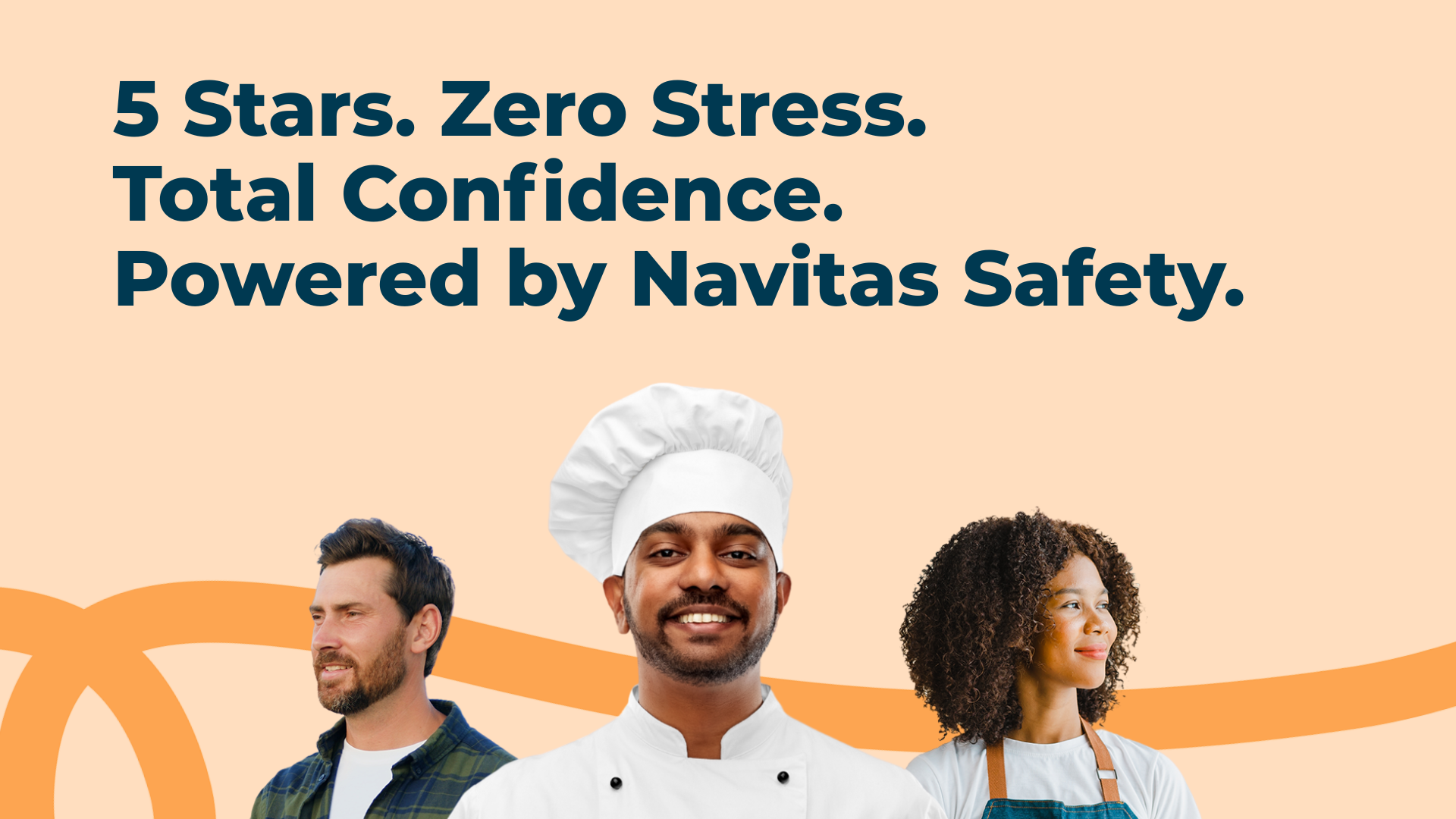
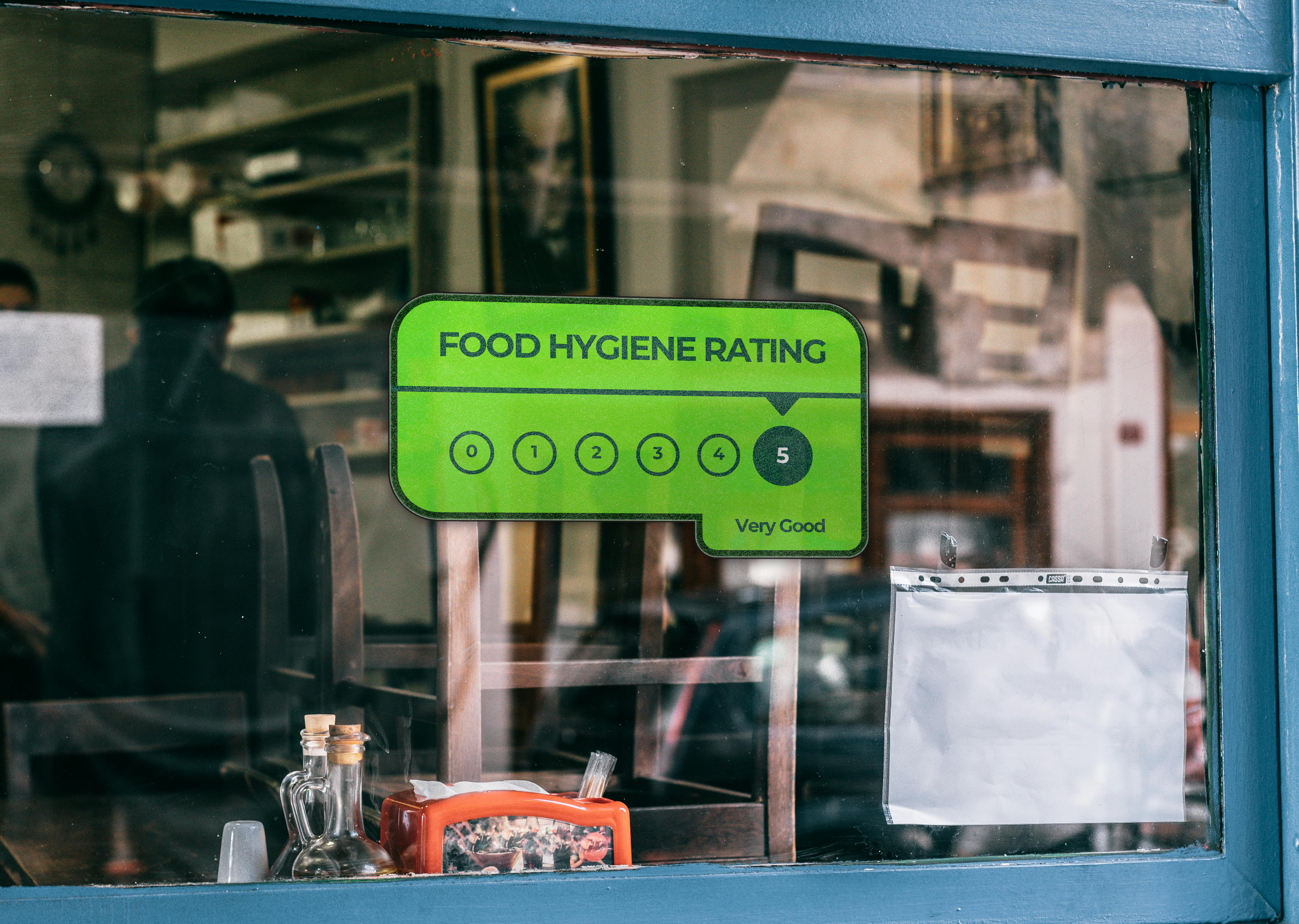
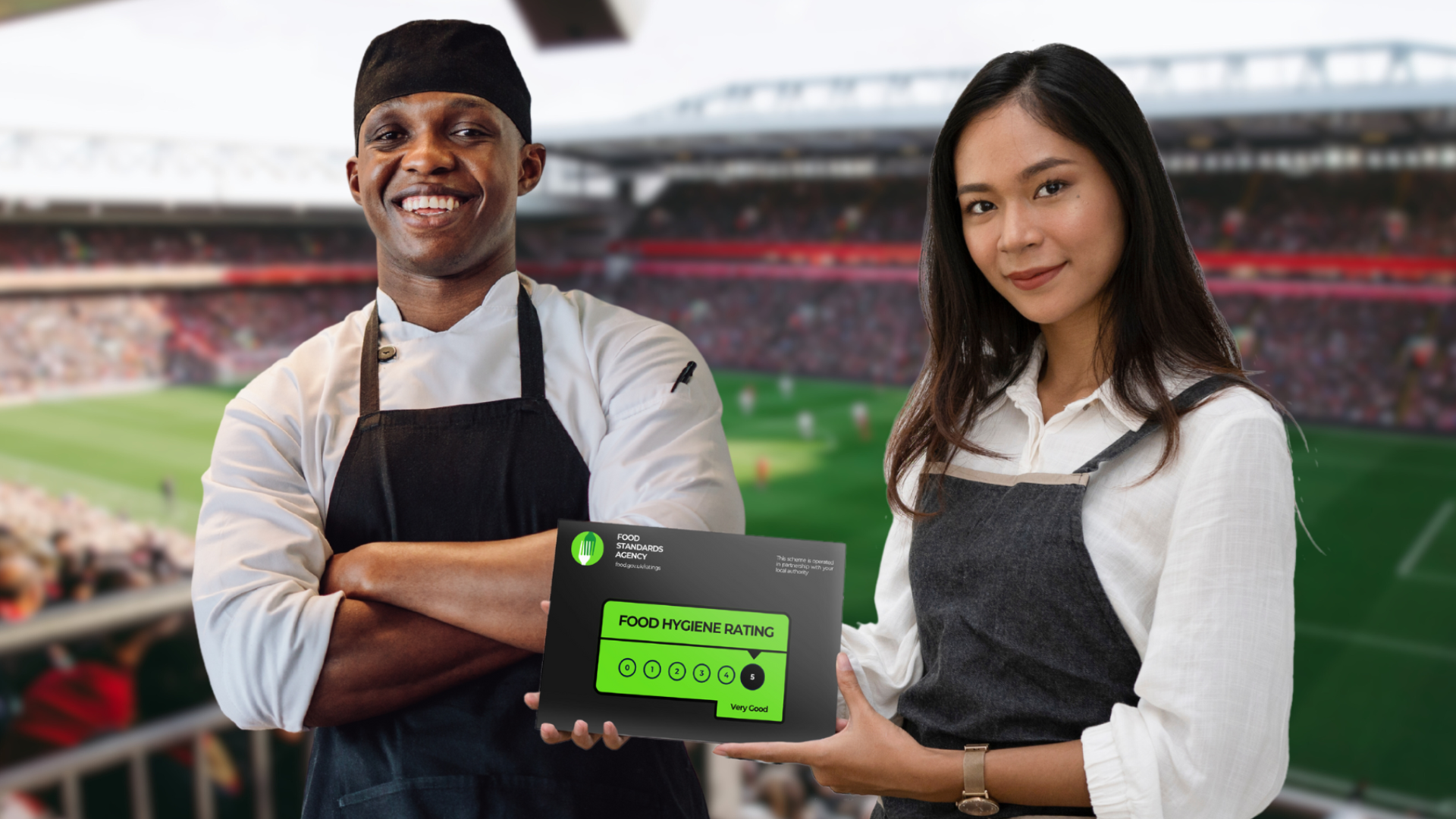
In the UK, the Food Hygiene Rating Scheme (FHRS) makes that trust visible. Your score, displayed on every kiosk and Google listing, tells customers exactly how safe your operation really is.
For stadiums with dozens of catering outlets, one low rating can dominate headlines and undo months of brand-building overnight.
The Power of the Number on the Door
Food hygiene ratings are issued by local authorities based on Environmental Health Officer (EHO) inspections.
The criteria cover:
- Food handling practices
- Cleanliness and structure of facilities
- Confidence in management and record-keeping (HACCP)
According to the Food Standards Agency’s Food and You 2 report, 46 % of consumers always check hygiene ratings before eating, and 79 % check at least occasionally.
In short: ratings influence footfall.
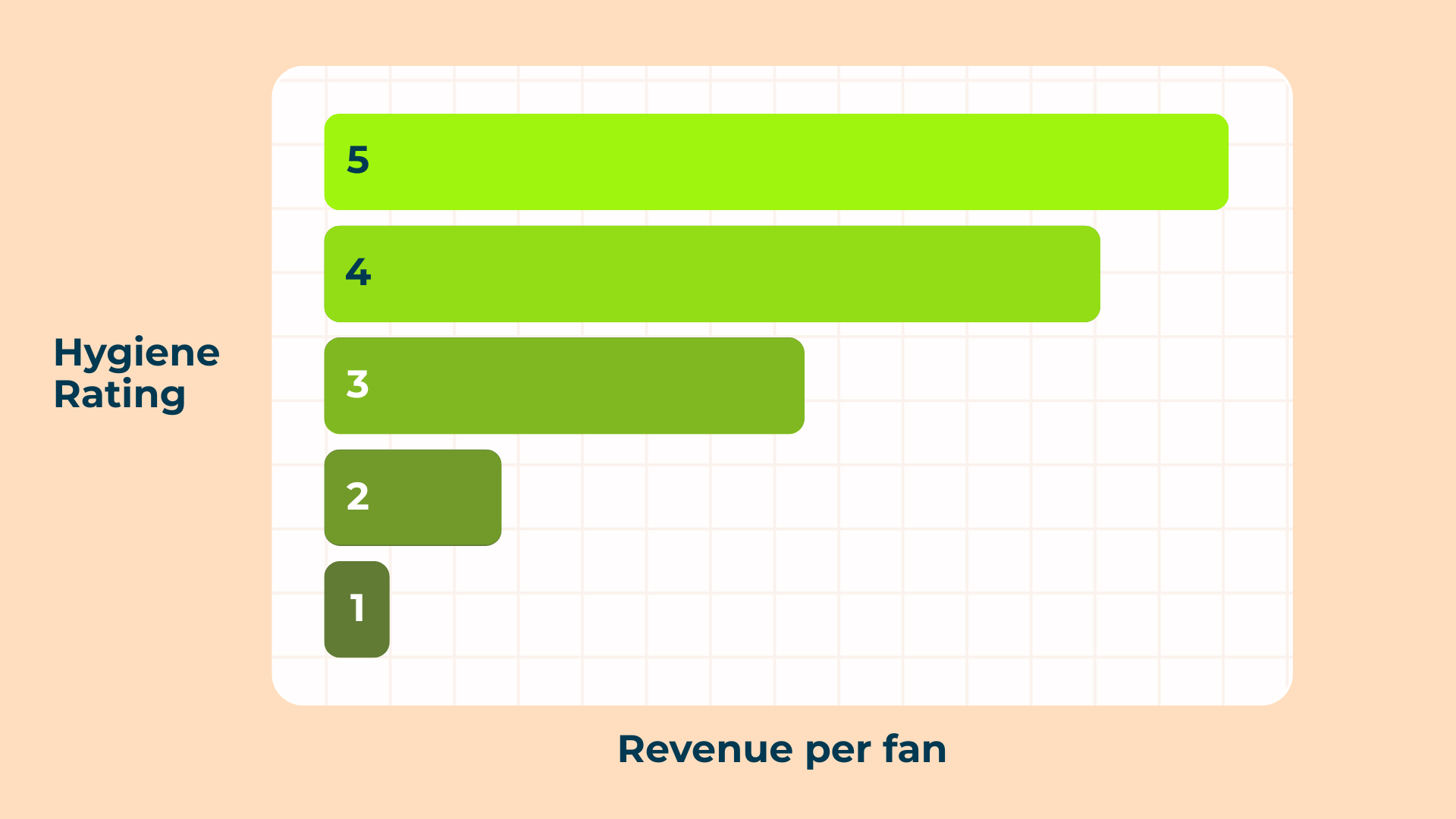
A 5-star rating drives confidence, repeat purchases, and sponsorship appeal, while a 1- or 2-star can spread across fan forums faster than the halftime queue.
Why Stadiums Are Under Extra Scrutiny
Large venues are high-visibility environments, both literally and digitally.
Local councils know that one incident in a stadium kitchen affects thousands of people, so inspections tend to be more frequent and more thorough.
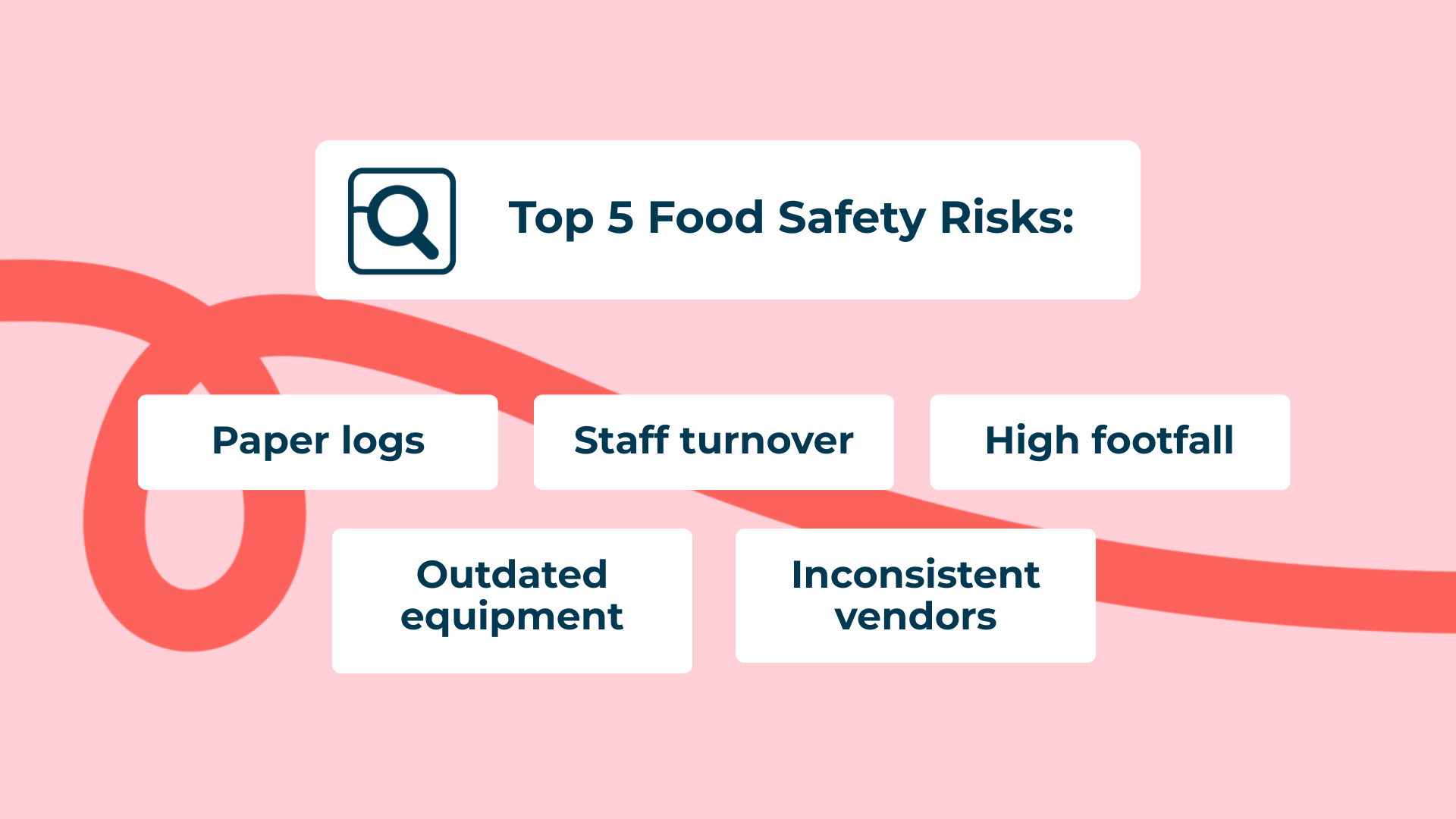
Stadia also face unique challenges:
- Multiple vendors: different operators following different procedures.
- Event-day pressure: spikes in staff numbers and service volume.
- Seasonal teams: rotating or temporary staff unfamiliar with HACCP.
- Complex infrastructure: shared storage areas, overlapping prep zones, and equipment wear from constant use.
Consistency, not complexity, is what EHOs reward.
Digital systems make that possible.
How Digital Systems Protect (and Promote) Your Rating
1. Real-Time Temperature Monitoring
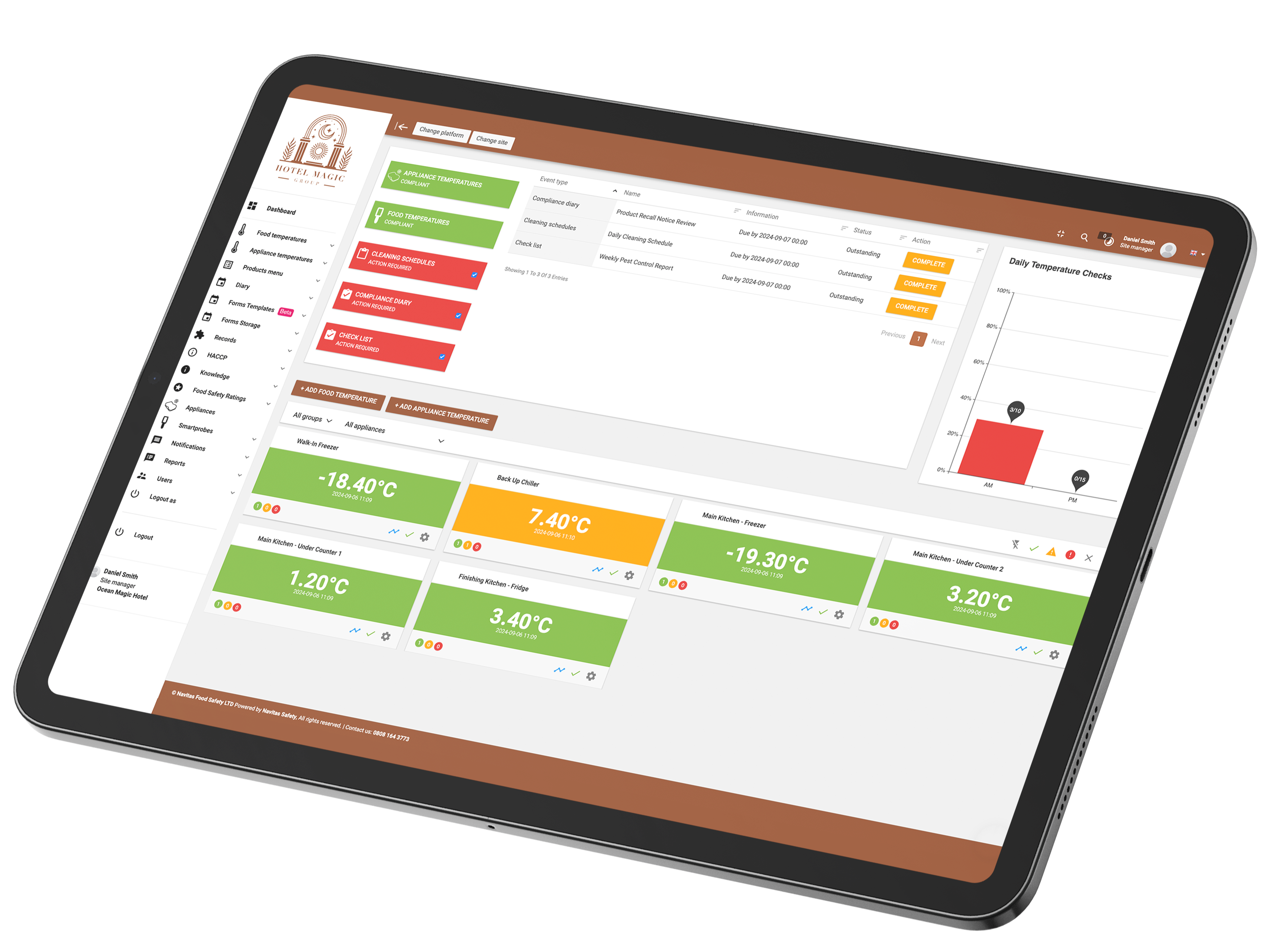
Smart Pods and connected sensors record temperatures every few minutes, far more frequently than paper logs ever could.
If a fridge drifts out of range, alerts go straight to managers’ dashboards, preventing spoilage and proving control during inspections.
2. Automated Cleaning & Allergen Checks
Digital checklists prompt staff when cleaning or allergen checks are due. Missed tasks show up immediately, not weeks later during an audit.
3. Centralised HACCP Documentation
EHOs want proof of process. Cloud-based systems store everything (hazard analysis, critical limits, and corrective actions) in one secure hub. No binders. No “it’s in the back office somewhere.”
4. Transparent Training Records
Digital Learning Management Systems (LMS) track staff training completion across all vendors.
EHOs can see instantly who’s trained, when, and on what – building confidence in management control.
The Business Case: Why Compliance Is Profitable
A high food hygiene rating isn’t just a badge, it’s a business asset.
Impact Area | Effect of High Rating | Effect of Low Rating |
Customer Trust | Boosts confidence and repeat sales | Negative reviews and reduced dwell time |
Sponsor Perception | Enhances venue credibility | Deters partnerships and hospitality sales |
Regulatory Risk | Simplifies inspections | Increases frequency and scrutiny |
Operational Efficiency | Digital tools streamline tasks | Manual processes waste staff hours |
Research shows that venues with consistent 5-star scores experience higher F&B spend per head and fewer costly shutdowns.
In the age of transparency, reputation management is risk management.
Case Study: Consistency That Converts
When a major UK stadium digitised its food safety procedures using Navitas:
- All 34 catering outlets achieved a 5-star hygiene rating within six months.
- Audit preparation time dropped by 70 %.
- Staff turnover decreased by 15 %, as digital systems simplified onboarding.
The result wasn’t just better compliance, it was cultural change.
Cleanliness, safety, and pride became shared responsibilities rather than top-down mandates.
How to Safeguard Your Reputation: A 5-Step Plan
- Digitise Every Outlet – Standardise processes across all vendors.
- Monitor 24/7 – Use Smart Pods for continuous temperature tracking.
- Automate Audits – Conduct monthly self-assessments digitally.
- Train Smarter – Track learning progress via LMS dashboards.
- Celebrate Success – Display your 5-star rating proudly (and online).
Remember: EHOs value consistency and transparency above all else. Digital platforms deliver both and turn compliance from a burden into a brand advantage.
Conclusion: Hygiene as a Hallmark of Excellence
In the stadium world, fans may come for the action, but they stay (and spend) because they trust the experience. A clean, compliant, digitally managed operation protects that trust.
By embedding real-time monitoring, automated checks, and transparent reporting, stadiums can secure 5-star ratings, reassure fans and sponsors, and elevate their brand far beyond match day.