
Risk & Foresight
Fire Safety Training for Hospitality: What the Law Requires and What Actually Works
Fire risk assessments alone aren't compliance. Learn what UK law actually requires of fire safety training in hospitality, why kitchens and hotels carry particular risk, what good training covers, and where wildfire risk fits in.
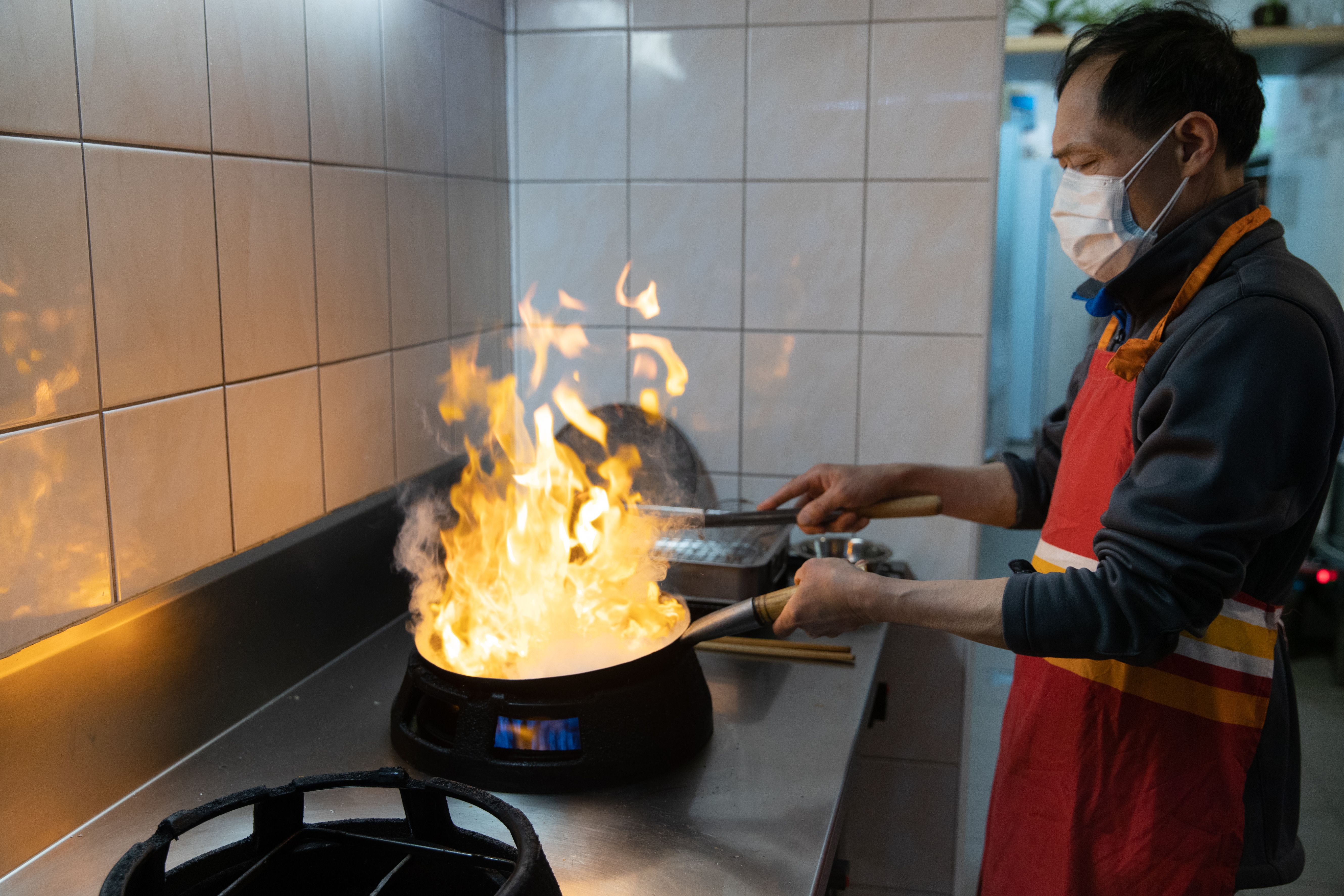
A commercial kitchen can have open flames, deep-fat fryers, and grease-laden ductwork and cooking equipment Most hospitality premises carry some version of that same profile: heat sources, flammable materials, and staff and guests; sometimes asleep upstairs, all under one roof. A written fire risk assessment identifies where the risks sit. And whilst weaknesses in competently trained staff could be identified in the Fire Risk Assessment, it does nothing to guarantee how anyone actually responds when an alarm sounds at a busy Friday service, or at 3am with a skeleton night team on duty.
That gap, between a working document sitting in a compliance folder and a team that genuinely knows what to do, and would respond calmly and competently is what fire safety training exists to close. The law treats the two as connected but separate obligations: assess the risk, identify the relevant controls and train people to act on them. Plenty of businesses complete the first and quietly under-deliver on the second.
This guide covers what the law actually requires of fire safety training in a hospitality setting, why commercial kitchens and guest-occupied premises carry particular risk, what good training covers in practice, and where to look if your risk extends beyond a standard indoor fire, wildfire exposure and hotel-specific assessment among them. For an operational breakdown of a specific real-world kitchen fire and the lessons drawn from it, our piece on commercial kitchen fire safety covers that ground; this guide focuses specifically on the training and certification side of the same problem.
The Legal Basis for Fire Safety Training
Who Counts as the Responsible Person
Fire safety law for non-domestic premises in England and Wales sits in a single piece of legislation: the Regulatory Reform (Fire Safety) Order 2005, in force since 1 October 2006 and usually just called the Fire Safety Order or 'RRO'. It replaced more than seventy earlier pieces of fire legislation and abolished the old Fire Authority Certification system entirely. Scotland operates under separate legislation, the Fire (Scotland) Act 2005 and the Fire Safety (Scotland) Regulations 2006, which place broadly similar duties on employers and those in control of premises, though the specific requirements and enforcement bodies differ from the RRO.
The Fire Safety Order places duties on the Responsible Person. In a workplace, this is generally the employer to the extent that the premises are under their control. In hospitality businesses, this may be the operating company, while general managers and other designated employees may be assigned responsibility for implementing fire safety arrangements at site level. Building owners, landlords, managing agents and other parties may also have legal duties depending on their level of control over the premises and relevant fire safety arrangements.
The Specific Duty to Train, Not Just Assess
Article 9 of the Order requires the responsible person to carry out a suitable and sufficient risk assessment. Article 21 goes further, and is the part many businesses underweight: it requires that employees are given adequate safety training both when they are first employed and whenever they are exposed to new or increased risk, a change of role, new equipment, or a change to how the premises operates, with refresher training repeated periodically where appropriate.
In practice, this means a fire risk assessment and an operation Fire Log Book is not, by itself, full compliance. Article 21 is a standing training obligation that runs alongside it, and it is usually the piece an inspecting officer checks first when something has gone wrong.
Why Hospitality Premises Carry Particular Fire Risk
Hospitality premises combine several risk factors that push fire safety further up the priority list than in a typical office environment.
Commercial kitchens carry a significant ignition risk on most sites (as do plant rooms in hotel premises) Live flames, deep-fat fryers, and high-heat equipment sit close to combustible materials as a matter of course, and grease build-up in extraction ductwork is a well-documented fuel source once cooking temperatures and an ignition point meet. A fire that starts in a kitchen rarely stays there; smoke and heat can easily travel through wall / ceiling cavities and ventilation systems into areas well beyond the kitchen itself, particularly when compartmentation is compromised.
High footfall adds a second layer. Restaurants, bars, and event spaces see occupancy levels and layouts change from one service to the next, which means evacuation routes and capacity assumptions need to hold up under genuinely variable conditions, not just the quiet Tuesday lunch an assessment might have been conducted during - think worst case scenario.
Hotels, and any premises where people sleep on-site, carry a third, distinct risk category. Guests are often unfamiliar with the building layout, may have consumed alcohol, and are not awake and alert the way daytime occupants are. Overnight periods typically run on a smaller team than daytime shifts, which is exactly when a fire is statistically most likely to go unnoticed in its early stages.
None of this is unique to any one business. It is the combination, live heat sources, variable occupancy, changing layout and profile of guests and staff and in some settings sleeping guests, that puts hospitality premises in a different risk category to a standard commercial office, and why training needs to reflect that rather than following a generic template.
Risk also shifts seasonally in ways training should account for. A venue that puts up a Christmas tree and candle displays, or relies more heavily on patio heaters or open fires through a cold winter, carries a different, temporary risk profile to the same site in July. Seasonal staff working through the summer and returning across Christmas holidays are working from an incomplete picture if they have not been adequately trained.
.jpg)
What Fire Safety Training Should Actually Cover
Good fire safety training goes beyond knowing where the nearest exit is.
Evacuation strategies and procedures need to be specific to the building, not generic. Staff should know their premises' actual assembly point, the realistic evacuation time for a full service, how to evacuate anyone requiring assistance, and what to do if the nearest route is blocked, not just the theoretical layout from an induction video.
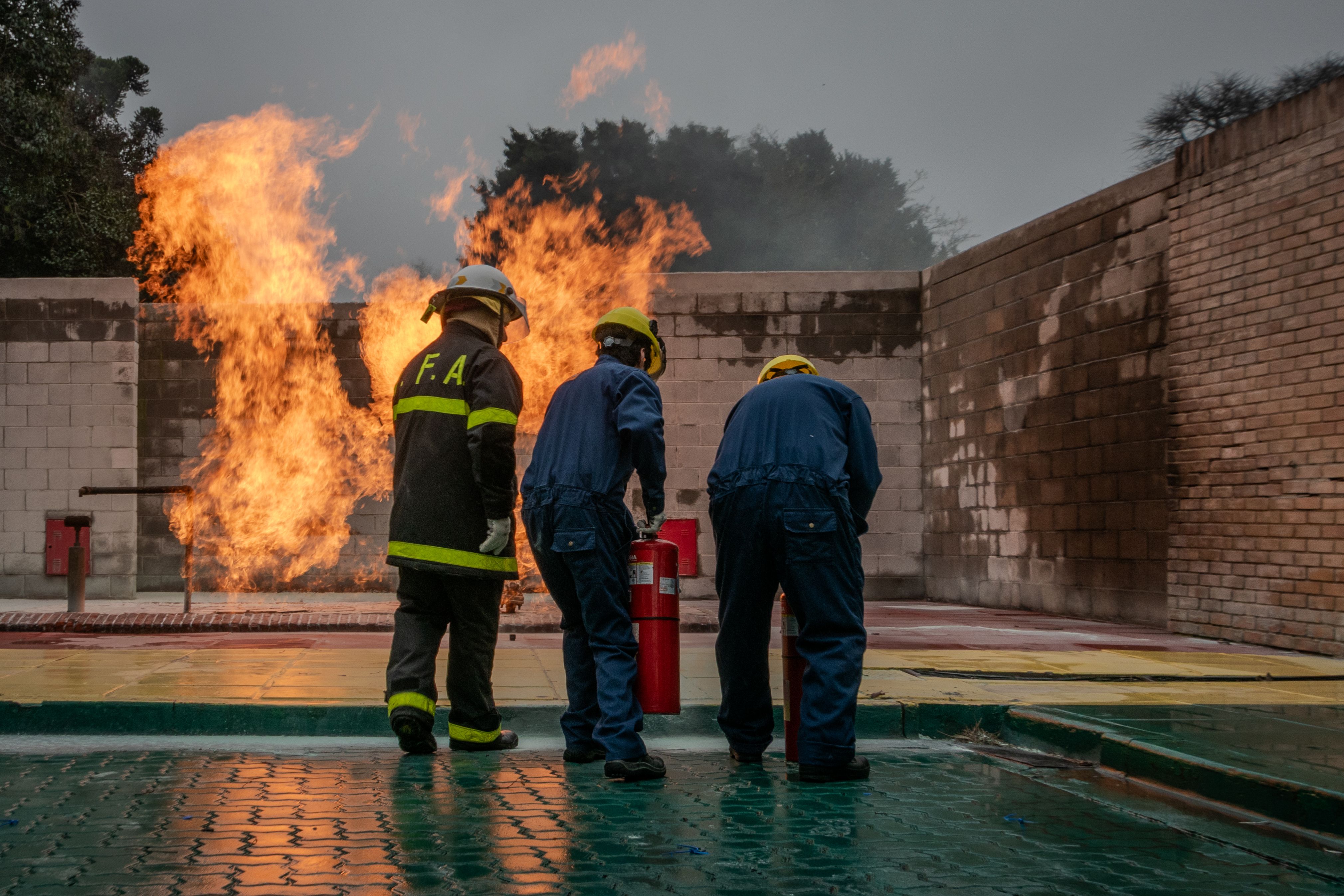
Firefighting equipment awareness is particularly important in commercial kitchens, where cooking oils, open flames and high-temperature equipment present specific fire risks. Staff should understand the types and locations of firefighting equipment provided, the importance of raising the alarm and the circumstances in which evacuation is required. Employees designated to use firefighting equipment should receive appropriate training, including the limitations of extinguishers and fire blankets, the correct equipment for different classes of fire and when it is unsafe to attempt firefighting. The priority must always be the safety of employees and guests. Staff should never put themselves at risk or delay evacuation to tackle a fire.
Fire door discipline is one of the most commonly overlooked areas.A fire door propped open with a delivery, a linen trolley, or simply because it is inconvenient, stops doing its job the moment it is wedged, regardless of how well it was specified or maintained. Training needs to cover why doors matter, not just that they exist.
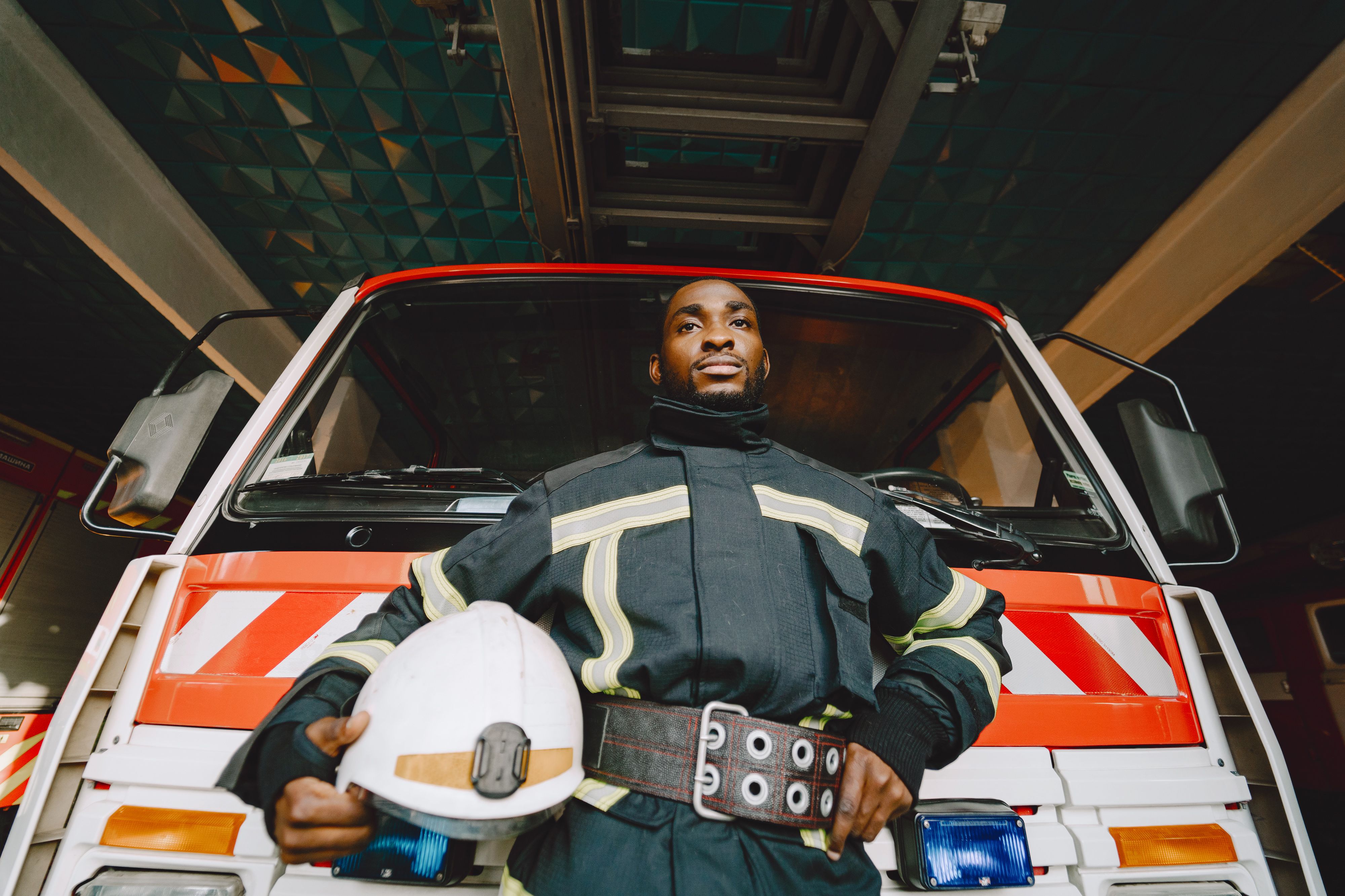
Role-specific training is the final layer. The number of trained fire marshals or wardens required will depend on the premises' fire risk assessment, size, occupancy, layout and emergency procedures.
Sufficient trained personnel should be available during all operating periods, including evenings, weekends and overnight shifts.
Their responsibilities may include assisting evacuation, directing occupants towards safe exits, checking designated areas where it is safe to do so, accounting for occupants where practicable and liaising with the fire and rescue service.
Fire marshals should never place themselves at risk by entering smoke-filled areas or delaying their own evacuation to search for occupants.
Treating both groups identically usually under-trains the marshal and over-trains everyone else.
Course Spotlight
Navitas Safety – Fire Training For Businesses 3 (FR003)
This course covers the essential knowledge behind the Fire Safety Order's training duty: fire prevention principles, the sources of ignition and fuel most relevant to hospitality premises, and the safe systems of work needed to reduce fire risk day to day. It is built to support the responsible person's Article 21 obligation directly, giving staff documented, CPD-accredited evidence of adequate safety training rather than an informal induction chat..
Explore: Fire Training For Businesses 3
Beyond Standard Fire Safety: When Wildfire Risk Applies
Standard indoor fire safety training assumes the fire starts inside the building. A growing number of UK sites, particularly those in rural, coastal, or drought-affected areas, now face a different scenario: fire approaching from outside.
Wildfire risk changes several assumptions a standard plan relies on. An external assembly point, the default safe zone for an internal fire, can become the hazard itself if the fire is approaching from that direction. Wind can shift the danger zone with little warning, and the choice between evacuating and sheltering in place stops being obvious. None of this is covered by a standard fire safety induction built around escaping a kitchen fire.
For a detailed look at wildfire-specific risk management, European Safety Bureau's guide on wildfire risk and fire safety management is a strong starting point, covering assembly point risk, HVAC and smoke ingress control, and how to stress-test a team's readiness with tabletop scenarios rather than assuming a standard evacuation drill covers it.
Fire Risk Assessments for Hospitality and Hotel Premises
Training and the underlying risk assessment work together, not in isolation. A well-trained team following an outdated or generic assessment is still working from the wrong information.
This matters more, not less, once a premises includes sleeping accommodation. A hotel guest asleep at 2am, unfamiliar with the corridor layout and possibly affected by alcohol, is a fundamentally different occupant to consider than someone awake and alert in a daytime office. The out-of-hours period generally carries the most risk and the least oversight: smaller night teams, lone working activities across the building, unfamiliar occupants, guests smoking in bedrooms, fire doors left open, room service items left in corridors and the closedown check missed in the kitchen as some examples of where fires can start and go unnoticed until the fire alarm is activated.
European Safety Bureau's guide to fire risk assessments for hotels covers this process in detail for hotel-specific premises, including where a generic assessment typically falls short and what a hotel-specific one needs to account for instead. For support building or reviewing your own risk assessment process, our risk assessment software gives multi-site operators a consistent, centrally visible way to track and review assessments across an estate.

Training effectiveness and fire drills
Completing fire safety training is not the final step. Businesses must ensure that employees can apply their knowledge in practice through regular fire drills, practical familiarisation and periodic knowledge checks. Fire drills should reflect the premises' evacuation strategy and be undertaken at appropriate intervals, as determined by the fire risk assessment. For hotels and other premises operating around the clock, emergency arrangements should be effective across all shifts, including periods of reduced staffing. Any weaknesses identified should be addressed through additional training or improvements to emergency procedures, with records maintained to demonstrate that training effectiveness is regularly reviewed.
Frequently Asked Questions
Is fire safety training a legal requirement for all staff?
Yes, in the sense that the Fire Safety Order's Article 21 duty applies to employees generally, not just designated fire marshals. Every employee must receive adequate training when they start, and again if their role or the premises' risk changes. The depth of that training can vary by role, general awareness for most staff, a more detailed level for anyone with specific fire safety responsibilities, but the underlying legal duty to train covers the whole team, not a select few.
How often should fire safety training be refreshed?
The law requires refresher training “where appropriate” rather than setting a fixed interval, which puts the judgement on the responsible person. In practice, most hospitality businesses refresh general awareness training annually and retrain immediately after any significant change: a refurbishment, a new piece of kitchen equipment, a change of role, or a fire risk assessment finding that alters the premises' risk profile.
What is the difference between general fire awareness and fire marshal training?
General fire awareness covers what every staff member needs: how to raise the alarm, the evacuation route, and basic prevention habits. Fire marshal, or fire warden, training goes considerably further, covering sweeping procedures to confirm all areas are clear, headcount management at the assembly point, liaison with the fire service on arrival, and use of firefighting equipment. Most sites need at least one trained marshal per shift, not just one per site, so cover holds up regardless of who happens to be working.
Does fire safety training replace the need for a fire risk assessment?
No, the two are separate legal duties that work together. The risk assessment, required under Article 9, identifies the hazards and the measures needed to control them. Training, under Article 21, ensures staff know how to act on those measures. A business with excellent training but an outdated assessment is training its team against the wrong risks. A business with a thorough assessment but no training has identified the risks without equipping anyone to respond to them. Neither duty substitutes for the other, and an inspecting officer will typically ask to see evidence of both.
Train Your Team to Match Your Risk Assessment
Fire safety training is not a box to tick alongside a written risk assessment. It is the part of the Fire Safety Order that determines whether people actually know what to do when it matters. Browse Fire Training For Businesses 3 and the wider course range on the Navitas Safety Training Store, and make sure your team's training is as current as your risk assessment.