Operational Execution
Buffet Food Safety: Temperature Rules, Display Times and Compliance
UK rules on buffet food safety covering hot hold temperatures, the 4-hour ambient rule, allergen labelling, and the monitoring tools that turn checks into evidence.
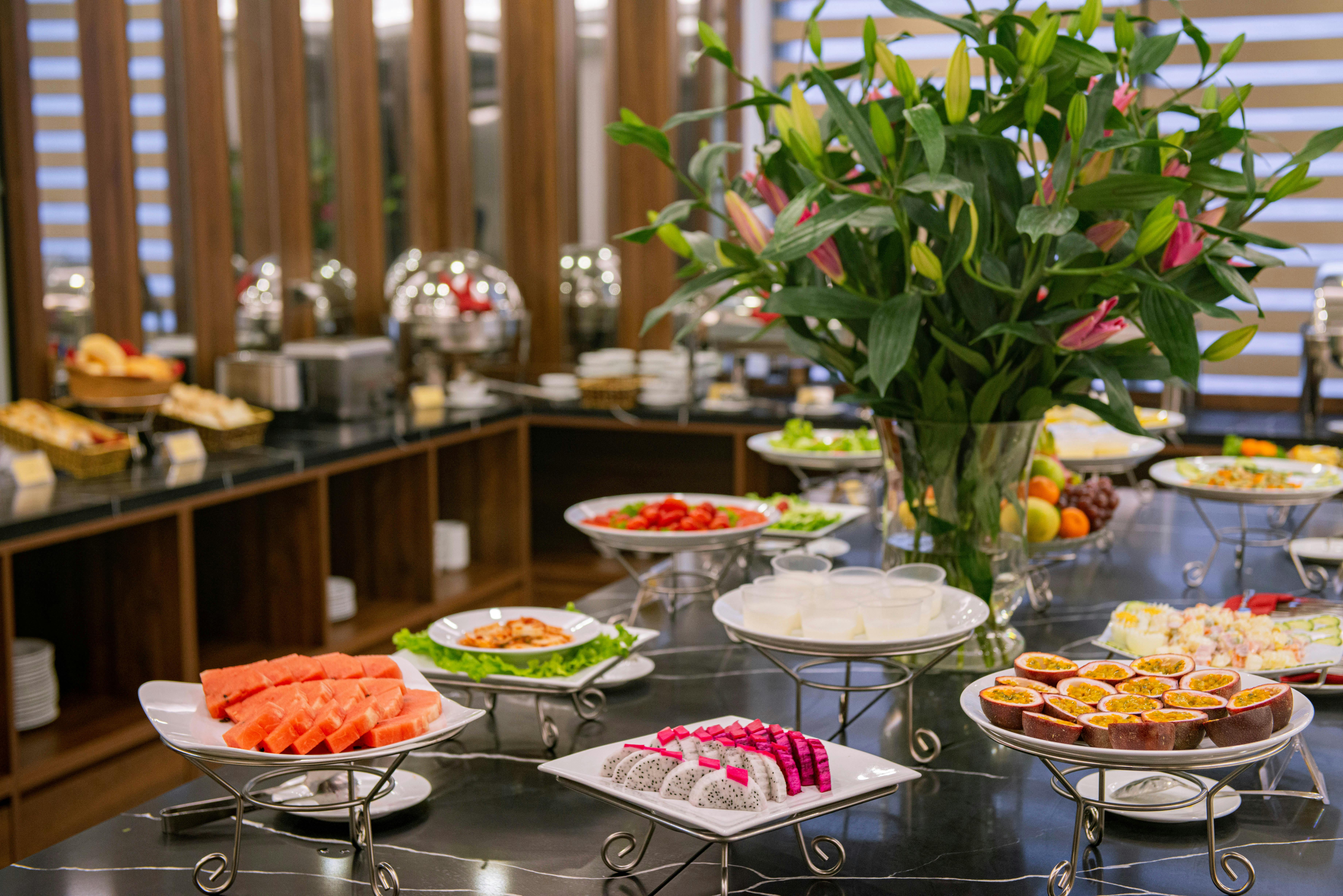
Breakfast service is the busiest meal in most UK hotels. It's also the riskiest. A standard buffet keeps eggs, bacon, smoked salmon, yoghurt, and pastries on display for several hours, with hundreds of guests handling shared tongs. Compliance covers every part of that journey, from the first hot hold check at 6.30am to the final discard at 10.30am. Get the temperatures wrong, miss a display time, or mix old food with new, and you've created a textbook contamination risk.
This guide breaks down the UK rules that apply to hotel buffets. We cover hot hold temperatures, the 4-hour ambient rule, allergen labelling under Natasha's Law, and the monitoring kit that turns paper logs into evidence. By the end, your breakfast manager should be able to walk the line, check each unit, and brief the team in under ten minutes.
Why Buffet Food Safety Is Different from Plated Service
It is harder than plated service for a simple reason. A plated kitchen controls every variable. The chef cooks, plates, and serves within minutes. A buffet does the opposite. Food sits on display for hours, replenishment happens in the middle of service, and guests serve themselves with shared utensils. Every one of those choices increases the risk profile.
Picture this: it's 7.45am on a Saturday. The breakfast manager is short one runner. Scrambled eggs in the bain-marie have dropped from 67°C to 59°C because a guest left the lid open. A new tray of fresh eggs sits in the kitchen, ready to go. The temptation is to top up the old tray. That single decision breaks the time-temperature chain and creates an audit nightmare.
Buffet service stacks risks in a way plated service never does:
- Food sits at temperature for extended periods, well beyond cook-to-serve windows.
- Guests touch handles, tongs, and serving spoons that hundreds of others have touched.
- Multiple allergens sit side by side, often within centimetres of each other.
- Replenishment creates time-temperature confusion when staff aren't trained on the rules.
- Cold display, hot display, and ambient items all need different monitoring.
In our experience auditing hotel buffet operations, the breakfast service is where most EHO findings originate. Lunch and dinner tend to use plated or pre-portioned formats. Breakfast is where the cracks show.
UK Temperature Rules for Buffet Food Safety
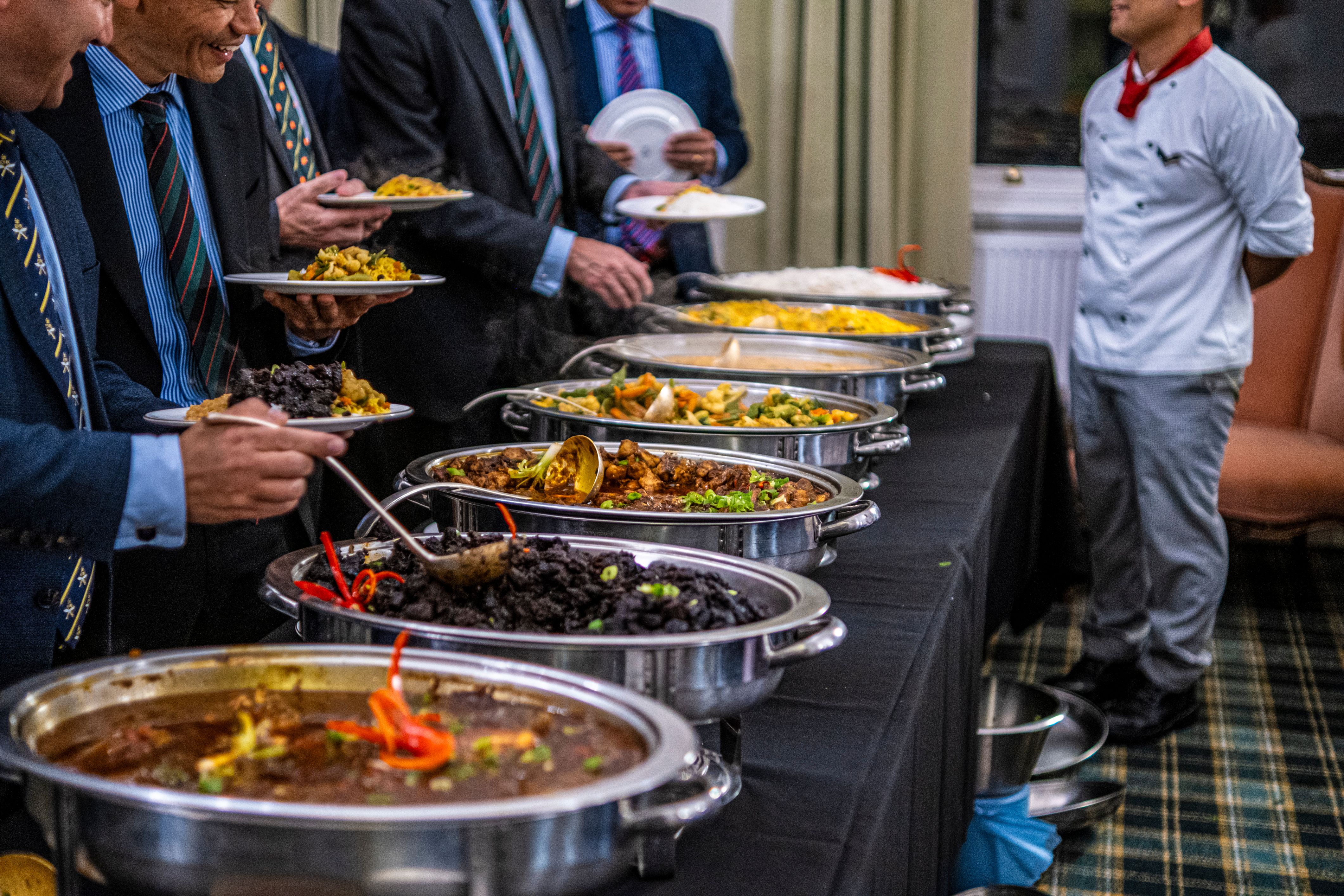
Under the Food Safety and Hygiene (England) Regulations 2013, hot food must sit at 63°C or above. Cold food must stay at 8°C or below. The FSA allows food that normally sits below 8°C to go on display at ambient temperature for a single period of up to 4 hours. After that window, staff must use, refrigerate, or discard it. These thresholds form the backbone of compliance in the UK.
The danger zone sits between 8°C and 63°C. Bacteria multiply rapidly in that range, especially between 20°C and 45°C. Every minute food spends in that band shortens its safe display life and erodes compliance.
Here's how the rules map onto a typical hotel breakfast:
- Hot hold (63°C minimum): scrambled eggs, baked beans, hash browns, grilled tomatoes, sausages, bacon, porridge.
- Cold hold (8°C maximum): smoked salmon, sliced meats, cheese, yoghurts, cut fruit, butter portions.
- Ambient (room temperature, with the 4-hour cap): pastries with cream fillings, prepared sandwiches, dairy-based desserts on a brunch service.
- Truly shelf-stable (no time limit): dry cereals, whole fruit, bread, jams in sealed pots, biscuits.
The Food Standards Agency publishes the source guidance on these limits. Senior FSA inspectors expect written records that prove each item stayed within range across the whole service. That's where buffet temperature rules UK operators struggle. Verbal checks and paper clipboards don't survive an EHO visit on a busy Monday. Strong compliance needs evidence, not anecdote.
The 4-Hour Rule and Buffet Food Safety: What It Actually Means
The 4-hour rule is the most misunderstood regulation in hospitality. It is widely applied incorrectly. Let's settle it, because the rule sits at the heart of compliance.
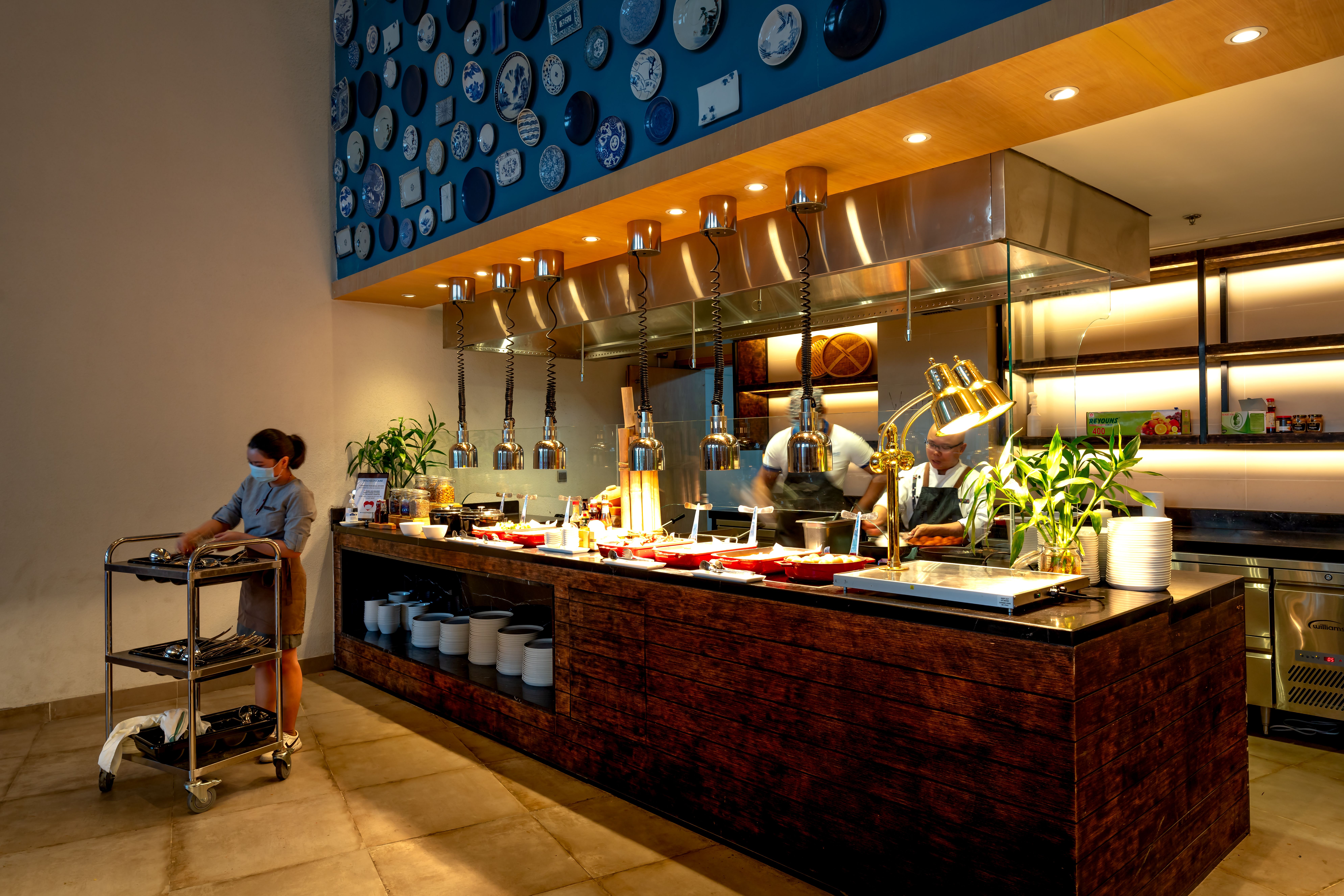
The FSA permits food that normally sits at or below 8°C to go on ambient display for a single period of up to 4 hours. After that single window, staff must eat the food, return it to refrigeration for use in a separate cooked recipe, or throw it away. You cannot bring it back to the buffet. You cannot re-display it the next day. You cannot split the window into a 2-hour morning slot and a 2-hour afternoon slot.
That's the rule in plain English. Now picture your breakfast manager on a normal weekday.
- 6.30am: A platter of smoked salmon comes out of the walk-in at 4°C. It goes on the chilled display.
- 6.45am: The chilled display unit shows 9°C because someone left the lid open during set-up. The clock starts.
- 10.30am: Service ends. The salmon has sat at ambient for 3 hours 45 minutes. Staff must discard it.
- The wrong call: Sliding the leftover salmon back into the walk-in for tomorrow's service. That's a Food Safety Act 1990 breach and a likely hygiene improvement notice.
We've seen hotels treat the 4-hour rule as a target rather than a ceiling. Treat it as a ceiling. Set internal limits at 3 hours and you build a safety margin for the slow days when the display unit drifts.
This is the heart of hotel breakfast buffet compliance. Track when food goes out, track when it comes off, and discard rather than gamble.

Monitoring Tools That Make Buffet Food Safety Work
You cannot manage what you don't measure. UK compliance relies on two distinct monitoring tools, and they do different jobs.
Probes measure food. A breakfast manager probes the scrambled eggs, the porridge, the hot held bacon. The probe tells you whether the food itself sits above 63°C. A calibrated food temperature probe is the only way to be certain. Visual checks and bain-marie dials lie. We've seen units show 70°C on the dial while the food inside reads 56°C.
Pods measure appliances. A pod sits inside the chilled display unit, the bain-marie water bath, or the walk-in chiller. It logs the appliance temperature every few minutes and transmits the data wirelessly. A temperature monitoring device like this catches drift overnight, when no one's there to check.
Both work together. The pod tells you the chilled display has been running at 7°C all morning. The probe tells you the smoked salmon inside that display is actually at 6°C. Without both, you've got half the picture and only half the story.
Digital logs replace the paper clipboard that used to hang on the fridge door. Timestamped data sits in the cloud, ready for the EHO. During a typical inspection, the officer will ask to see your last three months of temperature records within the first ten minutes. Paper logs slow that conversation. Digital ones end it.

What good monitoring looks like in practice
A well-run breakfast service does the following before doors open:
- Pre-service probe of every hot item at 6.45am.
- Pre-service probe of every cold item at 6.50am.
- Pod data reviewed for any overnight alarms.
- Display time tags placed on each cold dish (start time written on).
- Hourly probe spot checks during service, logged digitally.
That sequence takes about fifteen minutes. It pays back the first time an EHO walks in unannounced.
Allergen Management and Buffet Food Safety
Natasha's Law, in force since October 2021, changed how UK kitchens handle prepacked for direct sale (PPDS) items. A buffet usually contains both PPDS and non-prepacked food, which makes it one of the trickiest service formats for allergen control and food safety.
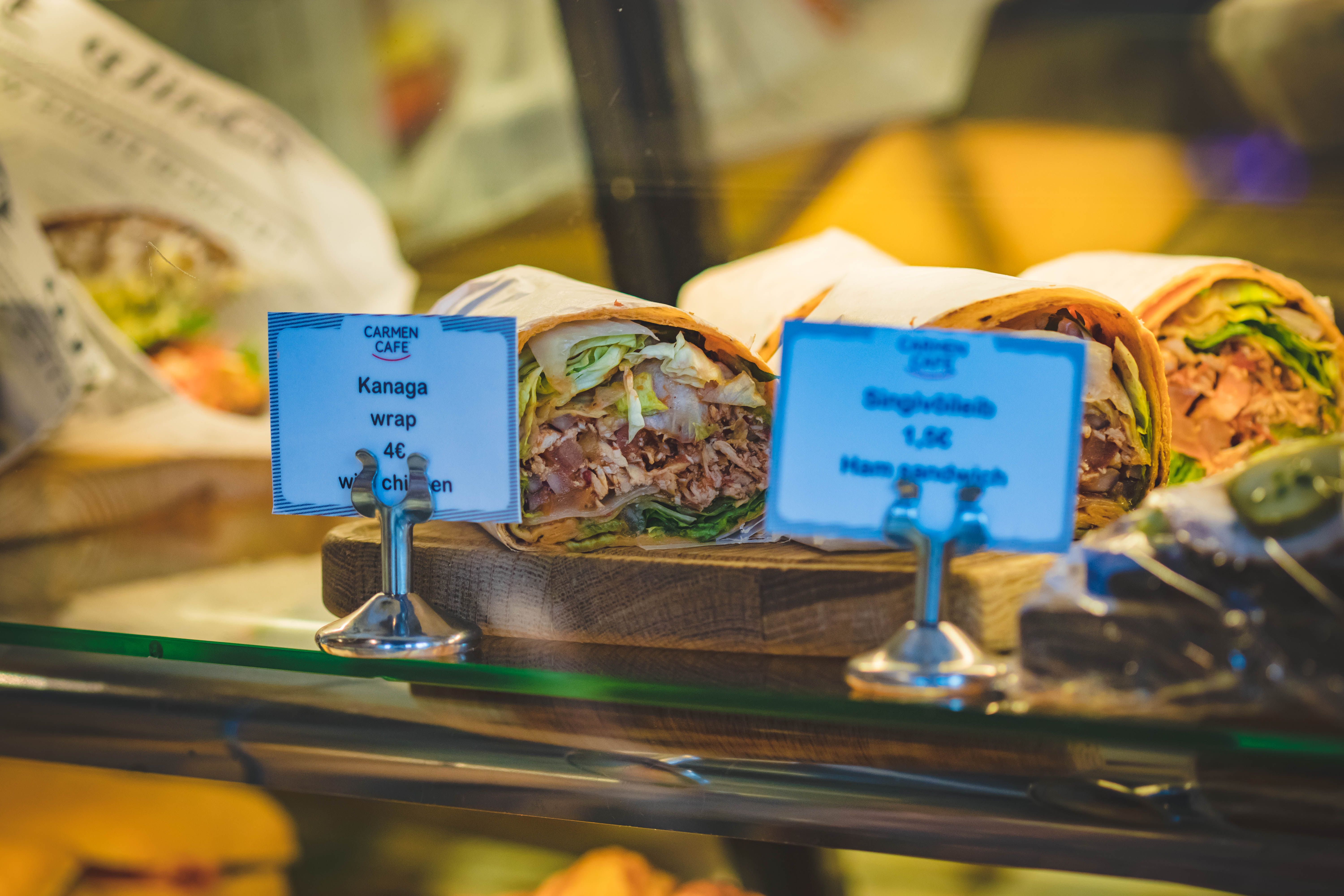
PPDS items include the yoghurt pots, prepared sandwiches, individually wrapped pastries, and pre-portioned smoked salmon platters that you make on site and put on display. Each one needs a label showing the full ingredient list, with the 14 declared allergens emphasised. Non-prepacked items, such as scrambled eggs from the bain-marie or sliced cheese from the chilled display, need allergen information available through menu cards, table cards, or briefed staff.
Buffet allergen labelling fails in three predictable ways:
- A guest moves the tongs from the gluten-free pastries to the wheat-based ones. Cross-contamination, instantly.
- A new team member can't answer an allergen question and guesses. Misinformation is worse than no information.
- Labels go missing because the kitchen has reused yesterday's containers without re-labelling them.
The Food Standards Agency provides clear guidance on allergen procedures, and any hotel managing a daily buffet should keep written allergen control points in the HACCP plan. Dedicated utensils per dish, colour-coded handles, and trained staff who can speak to allergen queries cover most of the risk.
A side note on cross-contact. A buffet is the only food service format where the customer is also part of the production chain. That means staff briefings have to cover the guest-facing language, not just the back-of-house procedure. Compliance extends to the guest's hand on the tongs.
Replenishment vs Top-Up: The Buffet Food Safety Policy That Protects You
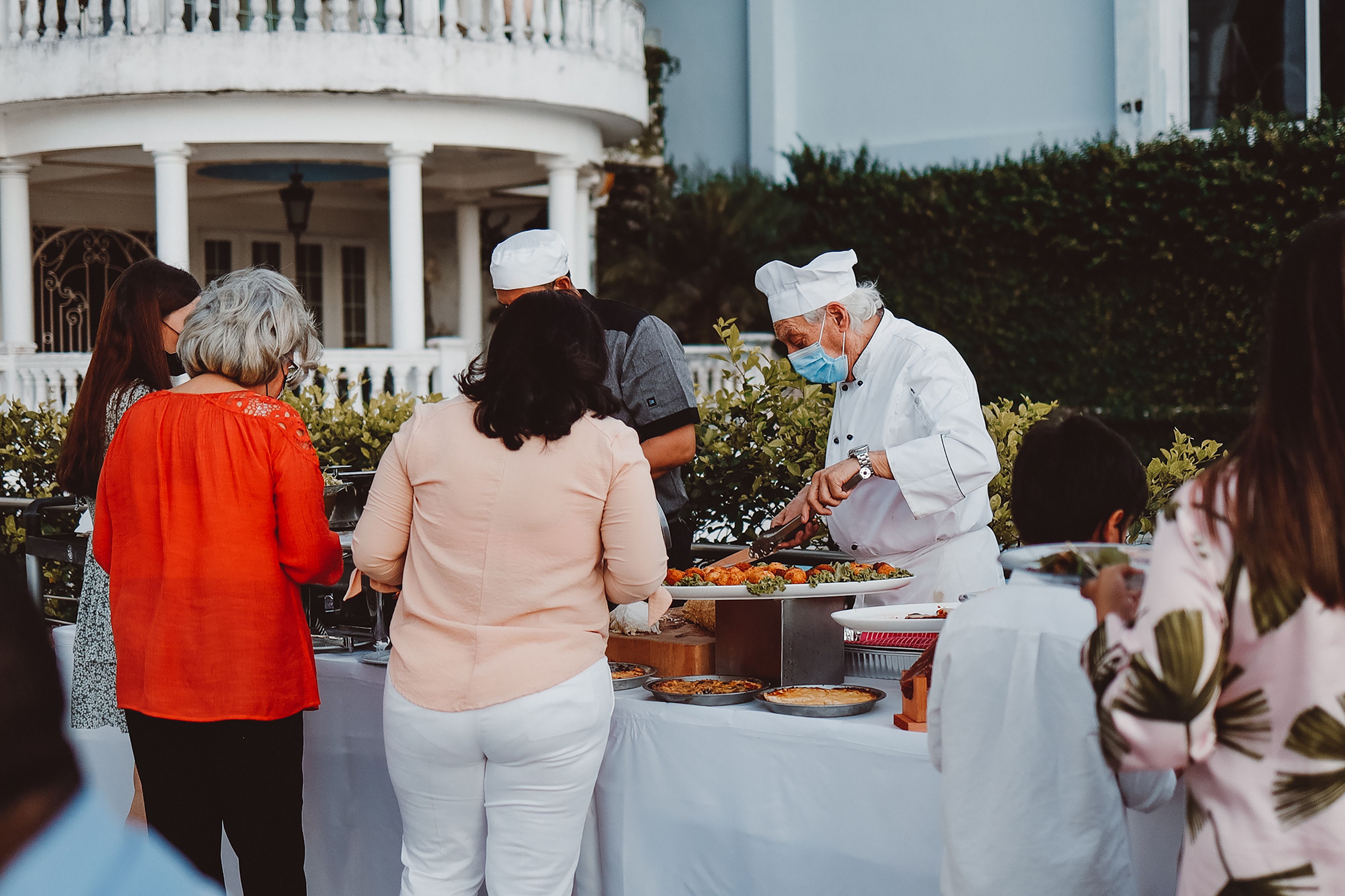
Never top up. Always replace. That single rule, if your team follows it, removes most of the time-temperature risk on a buffet line and lifts your compliance position with one decision.
Topping up means scooping fresh scrambled eggs on top of the ones that have sat in the bain-marie for two hours. The new food carries the time-temperature history of the old food. If the EHO asks when the dish first came out, you can no longer answer with certainty. The display time clock effectively resets to the oldest portion in the tray, but nobody knows which portion that is.
Replacing means taking the whole tray off, sending it to the wash-up or the discard log, and putting a brand new tray of fresh food in its place. Start time written on the new tray. Clean tongs. Clean position. Clean record.
Here's the operational playbook we recommend:
- Container swap: Pre-portion fresh food into a clean Gastronorm in the kitchen. Swap the entire container at the buffet line. The old container goes back to the kitchen for disposal or repurpose.
- Tag the time: Every container gets a colour-coded time tag on the way out. The colour reflects the hour it went out. Easy visual check from across the room.
- Discard log: Anything coming off the line gets logged. Quantity, item, reason. This becomes due diligence defence when an EHO challenges your waste numbers.
In our experience, hotels that adopt strict replenishment policies see two changes. Food waste drops because portion control becomes precise. Customer satisfaction rises because the food on display is always fresh, never the tail end of the previous batch. Strong practice produces both outcomes at once.

Building a Buffet Food Safety Compliance Checklist
A working checklist beats a 40-page policy document every time.
Pre-service (60 minutes before opening):
- Check pod data for overnight chilled display performance.
- Probe each hot held item to confirm it sits above 63°C.
- Probe each chilled item to confirm it sits below 8°C.
- Verify allergen labels are present on every PPDS item.
- Check sneeze guards are clean and correctly positioned.
- Ensure each dish has its own dedicated serving utensil.
During service (every 60 minutes):
- Spot-probe two hot items and two cold items. Log the readings.
- Walk the line for visible contamination, dropped food, or moved utensils.
- Replace any container at or near its display time limit.
- Brief any new staff joining the floor.
End of service:
- Discard all chilled items that have hit the 4-hour ambient ceiling.
- Run a final probe of any food going back to refrigeration for a second use.
- Complete the digital log and flag any incidents to the duty manager.
- Review pod data for any drift during service.
That sequence gives you food display time limits that work in real conditions, not theoretical ones. It also gives you the timestamped evidence that turns a tense EHO conversation into a routine one. Hotel teams that integrate this with their wider hotel safety procedures tend to clear food hygiene inspections without remedial action.
The reality is that EHOs are not looking for perfection. They're looking for systems. A team that can demonstrate consistent monitoring, clear corrective actions, and timestamped logs has already won most of the compliance conversation.

Frequently Asked Questions
How long can food be displayed on a buffet UK?
Under FSA guidance, food that normally sits at or below 8°C may go on ambient display for a single period of up to 4 hours. After that, staff must use the food, return it to refrigeration, or discard it. Hot food held at 63°C or above has no fixed time limit, although quality and food safety drop over extended service windows.
What temperature should a hot buffet be kept at?
A hot buffet must sit at 63°C or above. This applies to every hot item, from scrambled eggs in the bain-marie to porridge in a heated tureen. If the food drops below 63°C, you have a two-hour window to either reheat it to 75°C core temperature or discard it. After that window, discard is the only safe option.
Do buffet items need allergen labels?
Yes, in two different ways. Any PPDS item, such as a wrapped pastry or pre-portioned salad pot made on site, needs a full ingredient label with the 14 declared allergens emphasised, in line with Natasha's Law. Non-prepacked items, such as scrambled eggs or sliced cheese, need allergen information available through menu cards, table cards, or trained staff who can answer guest queries accurately.
How often should buffet food temperatures be checked?
Probe every hot and cold item before service opens. During service, run a spot probe of at least two hot items and two cold items every hour. Combined with continuous pod monitoring of the bain-marie and chilled display unit, that gives you both food-level and appliance-level data. Log every check with a timestamp to build a defensible compliance record.
Next Steps
Buffet service rewards operators who treat compliance as a daily habit, not an annual review. The teams that win on hotel breakfast compliance are the ones that probe the food, monitor the appliances, and log the evidence in one connected system.
Navitas works with hotel groups across the UK and internationally to do exactly that. The platform combines food temperature probes, appliance monitoring pods, digital checklists, and a live audit trail in one place. The result is compliance you can prove, not just promise.
Book a free demo at navitassafety.com and see how multi-site hotel operators turn breakfast compliance into a routine fifteen-minute task.
External references: