Operational Execution
Room Service Food Safety: From Kitchen to Guest Room Compliant
Room service food safety breaks the cold chain every time. Here is how UK hotel operators control temperature, allergens, and tray collection from pass to guest door.
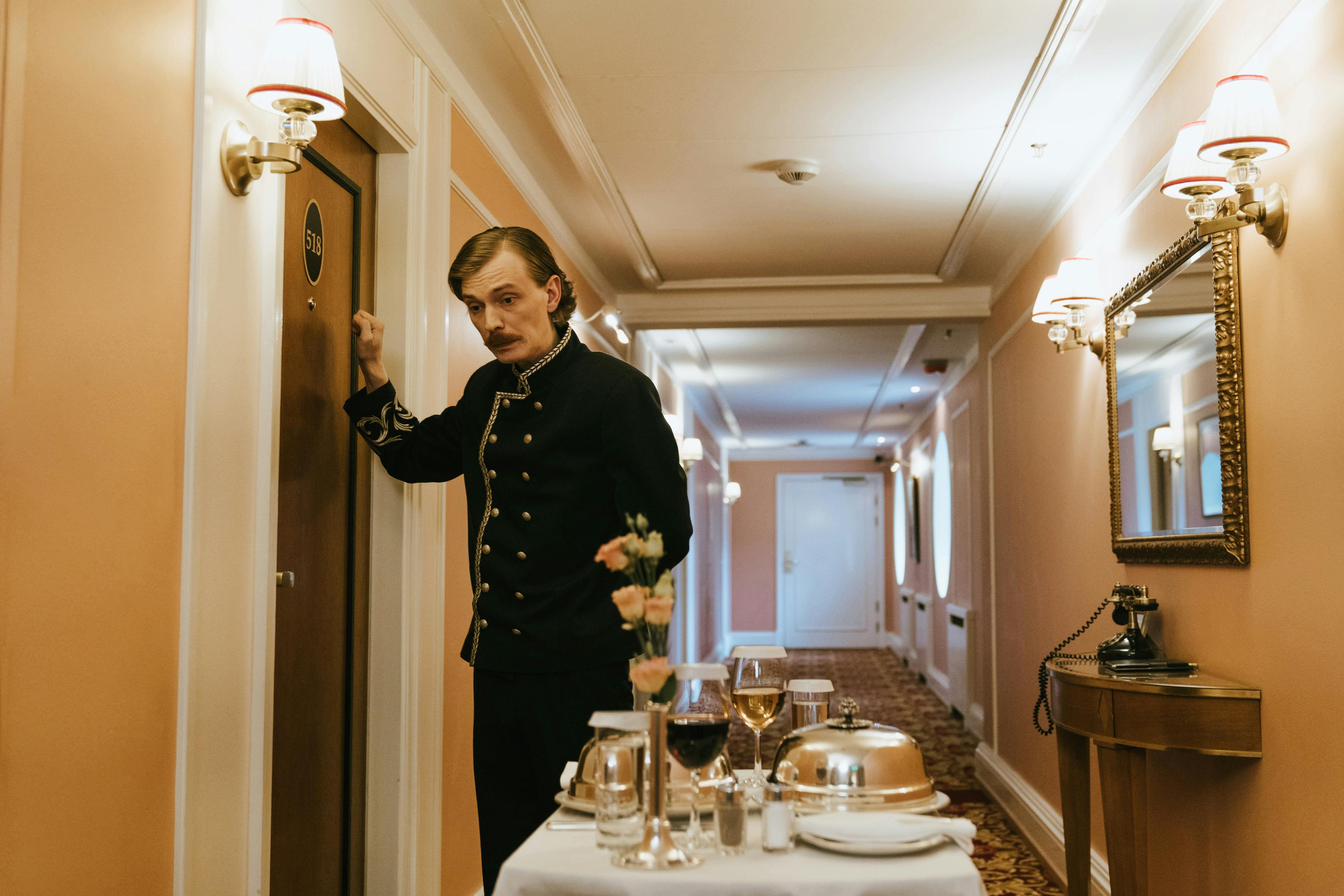
Room service food safety is the one hotel F&B area where the cold chain is deliberately broken. Food leaves a controlled kitchen, travels through corridors, and waits at a guest door. Every minute of that journey is a compliance variable. In our experience working with hotel groups, room service is the outlet with the weakest documentation, because responsibility falls between kitchen and housekeeping. This guide walks through the operational realities, what UK regulators expect, and how multi-site operators close the gap.
Why Room Service Creates Unique Food Safety Challenges
A restaurant kitchen sends a plate ten metres to a table. Room service might send the same plate four floors up, through two corridors, and into a guest's hands fifteen minutes later. The cooking standard is identical. The risk profile is not.
In a restaurant, the server can read the room and adjust. With room service, the food enters an environment the kitchen cannot see or control. We've seen hotels where the same chef preparing a perfect medium-rare steak at the pass has no visibility of what happens after the order leaves the kitchen door.
That's the structural problem. Hotel room service compliance fails not because chefs cut corners, but because the operational chain stretches across departments. The kitchen owns the food until the tray leaves the pass. After that, ownership becomes fuzzy. Runners, duty managers, even housekeeping may handle the same tray on a shift, and responsibility moves with it.
The Food Safety Act 1990 doesn't care about your org chart. The legal duty to serve safe food sits with the operator, from pass to plate. This is therefore an operational design problem first, and a training problem second.
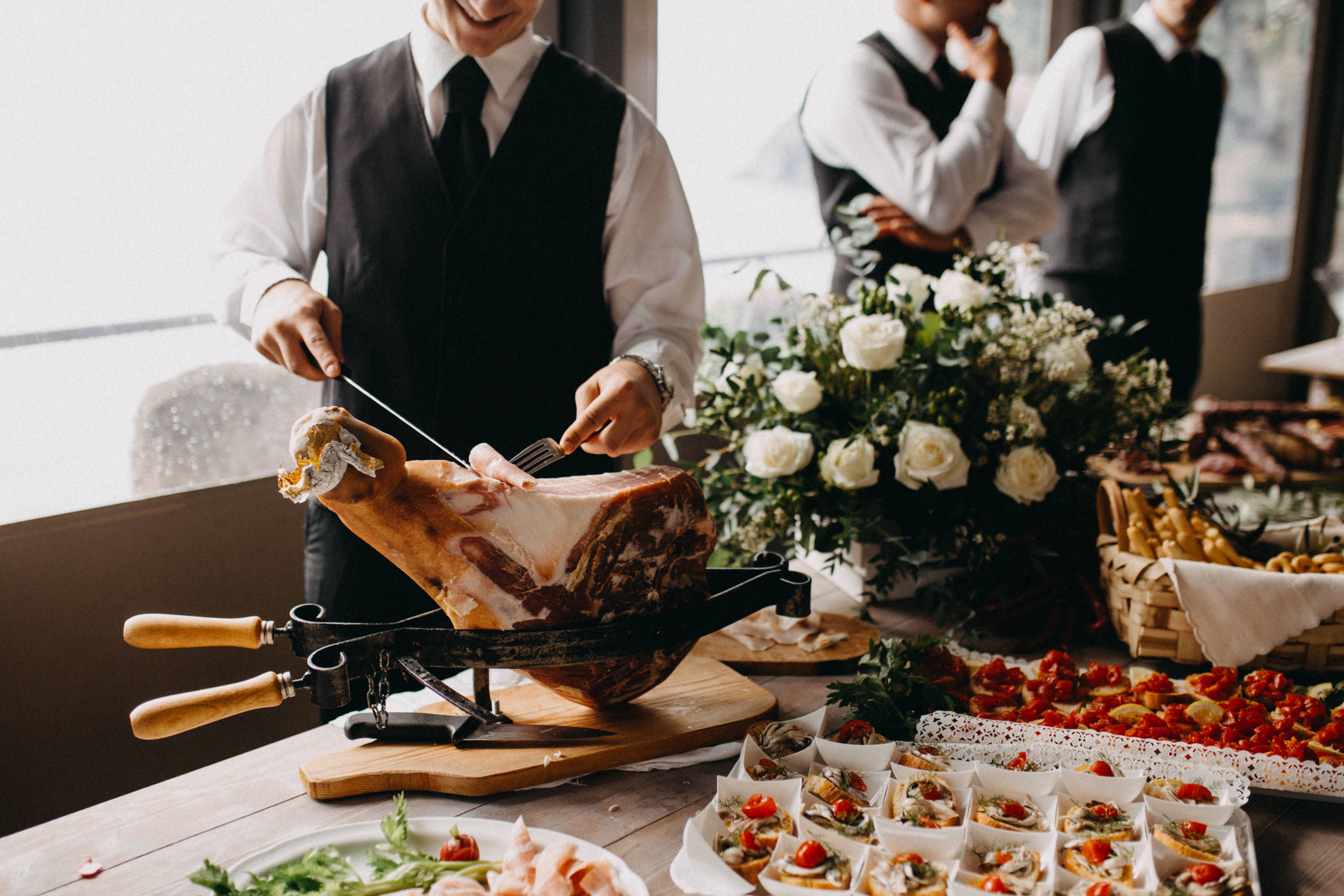
Time-Temperature Control: The Journey from Kitchen to Guest Room
Under the Food Safety and Hygiene (England) Regulations 2013, hot food held for service must stay at 63°C or above. Chilled food must sit at 8°C or below. Those thresholds don't pause because the food is in a lift.
Featured Answer: How to Maintain Food Safety During Room Service
To maintain compliance, follow these six practices:
- Probe-check hot food at the pass and record the reading above 63°C before despatch.
- Use insulated hot boxes or cloches for any journey longer than two minutes.
- Keep chilled items separate in a cold carrier or insulated tray section.
- Target a maximum delivery time of fifteen minutes from pass to guest door.
- Probe-check the food on arrival at the room if doubt exists about timing.
- Log time, temperature, and runner against every order for due diligence evidence
Now the detail behind each step. A plated steak leaves the pass at 68°C. The corridor sits at an ambient 21°C.
In our experience, an uncovered plate can lose several degrees every five minutes. A cloche reduces that to roughly 1-2°C. A hot box on a runner trolley holds the food within 1°C for up to twenty minutes.
Food delivery temperature control is a kit problem, not a chef problem. Cloches, hot boxes, and pre-warmed plates do most of the heavy lifting. A food temperature probe used at the pass and again at the door, when timing is tight, gives you the evidence trail an EHO will ask for. Runners just need training to log the reading.
The Food Standards Agency offers clear guidance on hot and cold holding thresholds, including the four-hour rule for food held outside safe temperatures: see the FSA temperature control guidance.
We've seen room service operations get caught out on this exact point: a guest delays answering, the runner waits, the food sits, and nobody logs the deviation
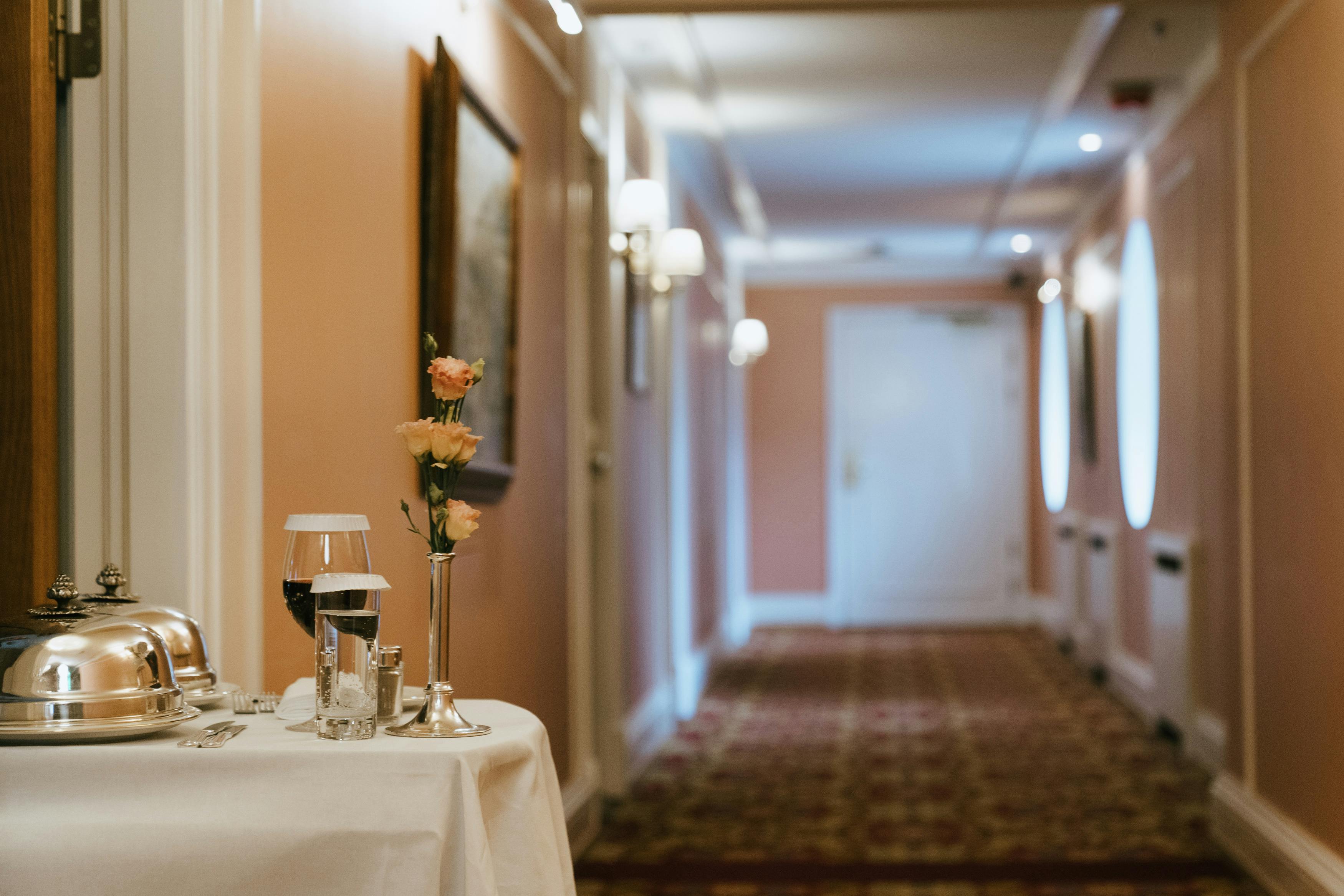
Allergen Communication Without Face-to-Face Service
A waiter can ask a diner about allergies and watch their reaction. A room service order placed on a tablet at 11pm offers no such read. The order ticket is the only conversation, and compliance hinges on what is captured there.
Natasha's Law extends labelling duties for prepacked-for-direct-sale food. Room service food is not PPDS in the strict sense, but the broader allergen information duty under the Food Information Regulations 2014 applies. Guests need access to accurate allergen information for all fourteen named allergens before they eat.
Room service allergen management therefore starts at the booking system. Three things have to happen, in order:
- The ordering interface (phone, tablet, app) must capture allergen requirements explicitly, with a forced question, not a free-text afterthought.
- The order ticket reaching the kitchen must flag allergens in a way that cannot be missed during a busy late shift.
- The tray delivered to the room must carry written allergen information for the dishes ordered, accessible without a phone call back to the kitchen.
Across our customer base, the failure point is almost always the second step. The order taker captured the allergy. The chef didn't see it because the ticket format buried it. The FSA's allergen guidance is unambiguous on the need for a system, not just goodwill. Hotels that get this right build the allergen check into their digital ticket so it cannot be skipped.
The FSA publishes practical advice on this point: see the FSA allergen guidance. Allergen management software exists, but the principle matters more than the tool: capture once, communicate everywhere, label clearly.
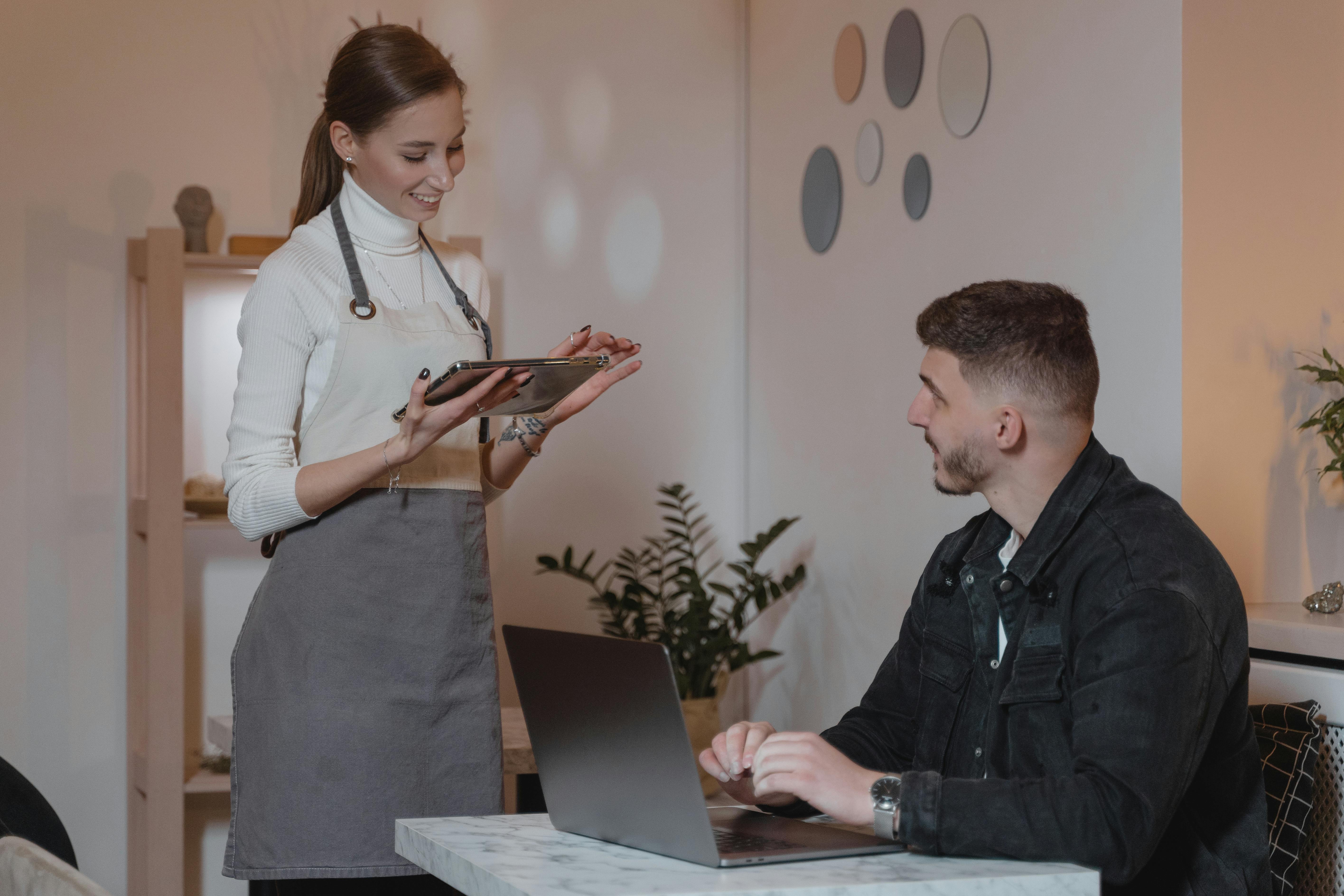
Tray Collection: The Compliance Gap Nobody Thinks About
Here's the thing about used trays. They sit in corridors. They sit for hours. Sometimes they sit overnight. Most compliance policies stop at the door, that's the gap.
Walk any full-service hotel at 9am and count the trays outside doors. Each one is a small open-air food waste depot at ambient temperature. The risk to the original diner is low, they won't eat it again. The operational risks are real: cross-contamination if housekeeping handles trays before cleaning rooms, pest attraction in stairwells, and reputational damage when a guest photographs a row of stacked trays.
Tray collection protocols rarely make it into food safety policies. They should. A simple framework helps:
- Target collection within forty-five minutes of guest call, or within ninety minutes of an automated tray-out signal.
- Define who owns collection: room service runners, not housekeeping, unless explicitly trained.
- Provide a dedicated trolley with covered waste for transit back to the kitchen wash-up.
- Log collection times against orders so trends in late collection trigger a review.
We've seen hotels close this gap by adding a "tray out / tray collected" status to the same digital ticket that started the order. The F&B manager then gets a single dashboard view of how the chain actually performed last night. That visibility turns late-night gaps into Monday-morning conversations.

Late-Night Room Service: Higher Risk, Lower Oversight
The midnight shift is where compliance quietly slips. Head chefs are gone. The duty manager is covering reception.
A skeleton kitchen team takes a steak order at 1:15am. The probe sits in the drawer where the day chef left it. Nobody is checking.
Hotel food delivery regulations don't relax after 10pm. The 63°C threshold still applies. The allergen duty still applies. EHO inspections out of hours, yes, they happen at venues with late licences, find exactly the gaps you'd expect.
The fix is structural. The standard cannot depend on who is on shift. Digital checklists, prompted at order receipt and at despatch, push the right action regardless of experience. A new night-shift starter gets the same temperature prompt, the same allergen prompt, the same tray-out timestamp, as the senior chef on days.
In our experience, this is where digital records pay back fastest in hotels. A paper logbook on the kitchen pass at 2am gets filled in optimistically, if at all. A prompted digital check, signed off on a tablet, produces the records you need when an EHO asks for last quarter's overnight temperature logs. The right food safety software embeds the compliance standard into the workflow so the night team has no choice but to perform the check.
Staff training matters too. A short, scenario-based module on room service food safety, covering temperature, allergens, and tray protocol, should sit inside induction for every new hire. The safety training academy approach lets hotel groups track who has completed what, by site, with records ready for audit.
Building a Room Service Food Safety Checklist
A working checklist covers the order from receipt to collection. It should be specific to room service, not a copy of the restaurant version. Here's a structure that holds up under EHO scrutiny:
At order receipt
- Allergen question asked and captured (yes/no, with allergens listed).
- Dietary requirements noted on ticket.
- Delivery time target confirmed with guest.
At the kitchen pass
- Probe-check hot items at 63°C or above, reading logged.
- Probe-check chilled items at 8°C or below, reading logged.
- Allergen flags visible on ticket and tray.
At despatch
- Cloche or hot box fitted for hot items.
- Cold items in separate insulated section.
- Written allergen information included on tray.
- Despatch time logged.
At delivery
- Delivery time logged.
- Optional probe-check on arrival if journey exceeded ten minutes.
- Guest told allergen information is on the tray.
At collection
- Tray-out time logged (guest call or automated).
- Collection time logged.
- Tray returned via dedicated trolley to wash-up.
A paper checklist beats no checklist. A tablet that prompts the runner, logs the time automatically, and feeds an audit dashboard beats paper. That's the digital-records argument in one sentence.
For multi-site hotel groups, the prize is consistency. The same checklist runs at every property. The area F&B manager sees trends across the estate before they become problems. Compliance becomes a system rather than a site-by-site lottery. Our hotel safety sector page outlines how the model scales across estates of any size.
A note on probes. They drift over time. A probe reading 63°C when the food is actually 59°C is worse than no probe at all because it produces false confidence. Probe calibration should sit on the same schedule as your other CCP checks, typically weekly, with a documented two-point check against ice and boiling water. Takes two minutes, saves your due diligence defence.
Frequently Asked Questions
What temperature should room service food be delivered at?
Aim to deliver hot food above 63°C, in line with the Food Safety and Hygiene (England) Regulations 2013. Keep chilled food at or below 8°C. Use a calibrated probe at the kitchen pass and, where journey time is long, again at the guest door. Cloches and hot boxes matter for journeys over two minutes.
How long can room service food sit at room temperature?
Hot food that drops below 63°C should be reheated above 75°C or discarded within two hours. The FSA's broader four-hour ambient rule also applies, but room service food should never approach that limit. Most hotels aim for fifteen minutes from pass to guest door, with any longer delay triggering a probe-check or replacement.
Do room service orders need allergen information?
Yes. Under UK food information rules, guests must have access to accurate allergen information for all fourteen named allergens before they eat. Best practice is to capture allergens at order point, flag them on the kitchen ticket, and include written allergen information on the delivered tray.
Who is responsible for food safety during room service delivery?
Legal responsibility sits with the food business operator under the Food Safety Act 1990. Operationally, ownership crosses kitchen, room service, and sometimes housekeeping. Best practice is a single digital ticket that tracks the order from receipt to tray collection, with a named accountable manager for each shift.
Next Steps
Room service food safety is the area most hotels treat like a side project. Treat it like the compliance frontier it actually is. Map the journey, time the steps, log the temperatures, and own the tray until it is back in the wash-up.
If you're ready to make room service compliance as strong as your restaurant operation, book a free Navitas demo. We'll show you how a single digital workflow can cover order capture, allergen flags, temperature checks, and tray-collection logging, across one hotel or fifty.