
Training & Enablement
Food Hygiene Certificates for UK Catering: Level 1, Level 2, or Level 3?
Not sure which food hygiene certificate your team needs? Compare Level 1, 2 and 3 by role, skills and responsibility, and learn when it's time to upgrade.

Ask five hospitality managers which food hygiene certificate their team needs, and you will often get five different answers. Some default to Level 2 for everyone, on the basis that more training can only be a good thing. Others assume that one Level 1 induction at the start of employment covers the whole floor for years to come. Neither approach holds up well when an Environmental Health Officer (EHO) turns up and asks to see training records that match what each person on shift actually does.
Under retained Regulation (EC) No 852/2004, food business operators must ensure that staff are supervised, instructed, or trained in food hygiene “commensurate with their work activity.” The law does not name a specific certificate. But the Food Standards Agency’s Food Hygiene Rating Scheme (FHRS) scores your food safety management, including the evidence you hold of staff training, as one of three pillars behind your published rating. Get the level wrong for the role, and it eventually shows up on the sticker in your window, not just in a filing cabinet nobody opens until an audit.
The wider picture is encouraging. Marking 15 years of the scheme in November 2025, the Food Standards Agency confirmed that more than 430,000 UK food businesses now hold a rating under the FHRS, with 97% scoring 3 (generally satisfactory) or better and 78% holding the top rating of 5 (very good). But a share still fall into the lower bands each year, and mismatched or missing training evidence is one of the recurring reasons an inspector marks a business down even when the kitchen itself looks clean.
This guide compares Level 1, Level 2, and Level 3 food hygiene training side by side: what each one actually covers, who needs which certificate, where the real differences lie between them, and how to decide, role by role, what your team needs before your next inspection.
What Do Level 1, Level 2, and Level 3 Actually Mean?
There is no legal definition of Level 1, Level 2, or Level 3 food hygiene training. These are industry-standard tiers, broadly aligned with Ofqual-regulated qualification levels, and they have become the shorthand that every EHO, training provider, and hospitality employer in the UK recognises and expects to see on a certificate.
The three levels exist because food safety risk is not the same for every role in a food business. A till worker selling wrapped sandwiches carries a very different level of food safety responsibility to a chef handling raw poultry, and a very different level again to the manager who has to prove, on paper, that the whole site is under control. Training one tier of risk to the standard of another either under-prepares high-risk roles or wastes time and budget over-training low-risk ones. The three-level structure is the industry's answer to that mismatch.

Level 1: The Foundation
Level 1 Food Safety is entry-level awareness training, built for people who have minimal or indirect contact with food. Typical roles include till staff, warehouse and stockroom workers, kitchen porters, and front-of-house staff who mainly handle wrapped or pre-packaged goods rather than open food.
The course covers the basics: personal hygiene expectations, how to spot the most common food hazards, simple cross-contamination awareness, and an introduction to cleaning and pest control. It is short, deliberately light-touch, and designed to get a new starter working safely within their first day or two on site.
Level 1 is not designed to prepare someone to cook, plate, or handle open food unsupervised. It is a floor, not a ceiling. Many hospitality businesses use it as a universal induction course before staff are assigned to a specific role, then layer Level 2 on top for anyone who moves into food handling.
Level 2: The Industry Benchmark
Level 2 Food Safety in Catering is the certificate that carries the most weight with EHOs, and for good reason: it is built around the exact checks an inspector looks for during a routine visit. It applies to anyone who prepares, cooks, stores, or serves open food, including chefs, kitchen assistants, caterers, baristas making fresh food items, and delicatessen staff.
Where Level 1 introduces hazards in general terms, Level 2 goes into the mechanics of controlling them: correct core cooking and reheating temperatures, safe chilling and hot-holding thresholds, the “danger zone” between 8°C and 63°C where bacteria multiply fastest, safe defrosting, stock rotation using FIFO (first in, first out), and controlling the fourteen major allergens under Natasha's Law and the wider Food Information Regulations 2014.
This is the level most UK food businesses treat as their baseline for anyone with direct food contact, and it is the certificate EHOs most commonly ask to see evidence of during an inspection. If your team touches open food at any stage between delivery and plate, Level 2 is very likely the minimum they should hold.

Level 3: Managing the System, Not Just Following It
Level 3, “Managing Food Safety in Catering,” is aimed at supervisors, head chefs, and business owners rather than frontline food handlers. The shift in content reflects a shift in responsibility: Level 1 and Level 2 teach someone how to follow safe procedures; Level 3 teaches someone how to design, implement, and audit those procedures across a whole team or site.
The course covers Hazard Analysis and Critical Control Points (HACCP) in depth, how to build and maintain a documented food safety management system, running internal audits, training and supervising junior staff, and managing an EHO inspection from the operator's side of the conversation rather than the frontline. A Level 3-qualified manager is expected to be able to explain not just what the correct temperature is, but why the system is built the way it is, and to produce the paperwork proving it has been followed consistently.
Sites without at least one Level 3-trained person on the management team often struggle specifically with the “food safety management” pillar of their FHRS score, even when the kitchen floor itself is spotless and staff clearly know their Level 2 material. The certificate exists to close exactly that gap.
Level 1 vs Level 2: What Actually Changes
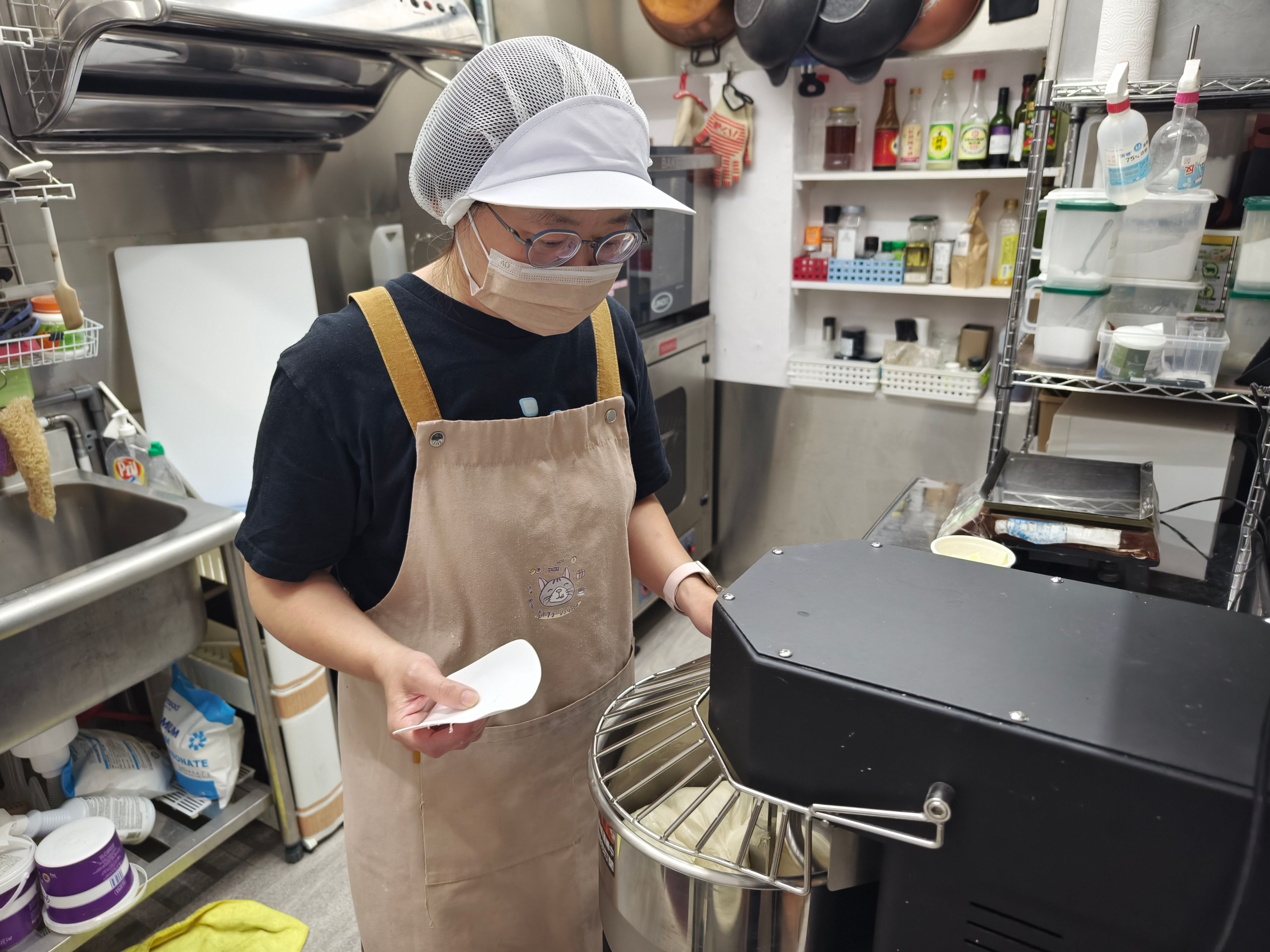
The jump from Level 1 to Level 2 is bigger than the naming suggests. Level 1 tells someone that hazards exist and gives them basic hygiene habits. Level 2 hands them the specific controls: numbers to hit, temperatures to log, and procedures to follow under pressure during service.
In practical terms, if a staff member's role ever changes from wrapped or low-contact food to preparing, cooking, or plating open food, even occasionally, Level 1 training is no longer commensurate with their work activity, and Regulation 852/2004 puts the business on the wrong side of the law the moment that happens without an upgrade. This is one of the most common gaps in real kitchens: someone hired for a Level 1 role gets pulled onto the pass during a busy shift, and their training never catches up with their new responsibilities.
Level 2 vs Level 3: When Do You Need to Upgrade?
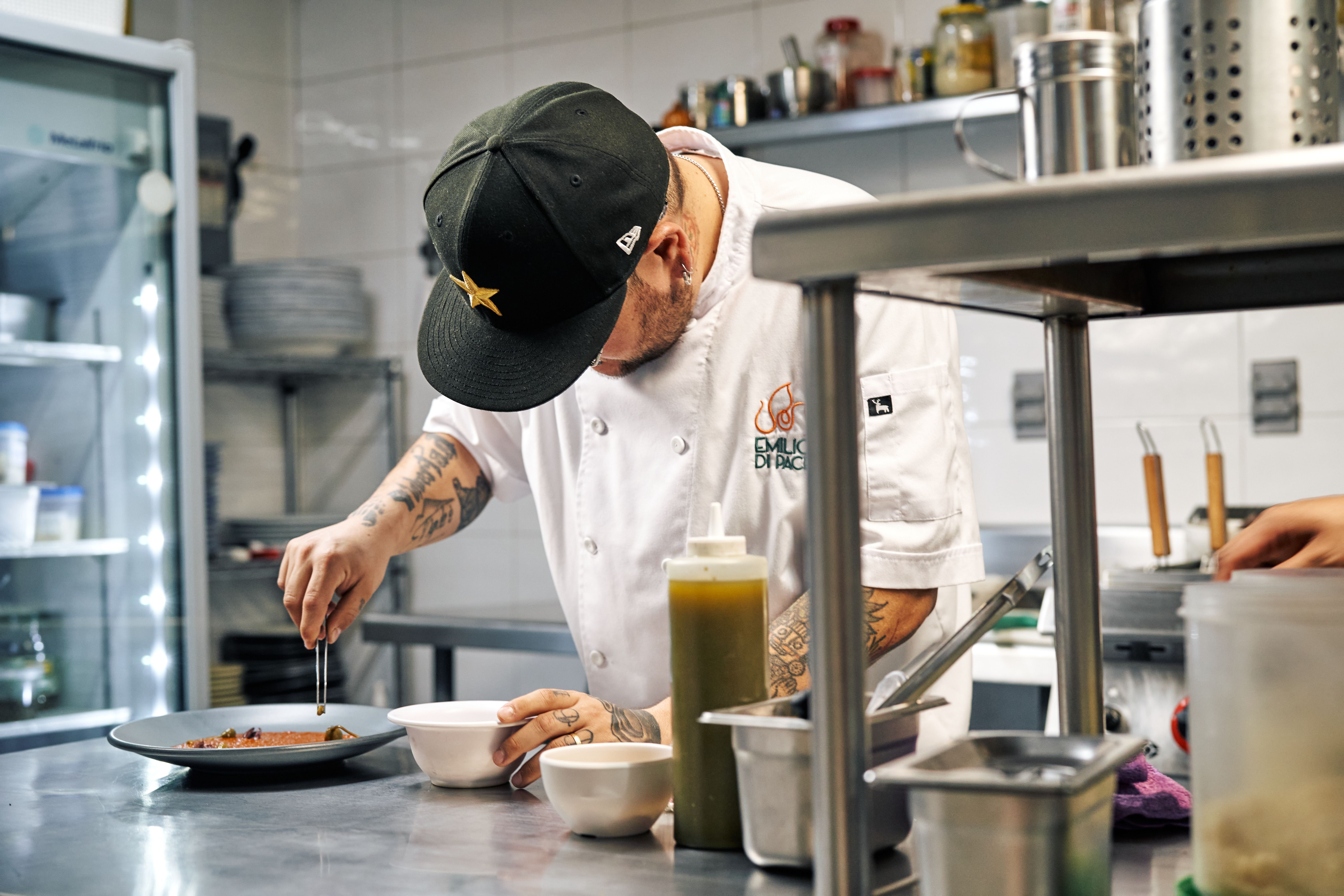
The Level 2 to Level 3 jump is less about day-to-day food handling and more about accountability. A brilliant Level 2-trained chef can cook safely for years without ever needing Level 3, provided someone else on site owns the food safety management system.
The trigger for upgrading to Level 3 is usually a change in responsibility rather than a change in skill: stepping into a head chef or general manager role, taking on responsibility for training and supervising other staff, becoming the named contact for EHO inspections, or opening a second site where consistency across locations now needs to be actively managed rather than assumed. If nobody on the team holds Level 3, it is worth asking who is actually responsible for the HACCP documentation and internal audits. If the honest answer is nobody in particular, that is the Level 3 gap.
Comparing the Levels: Features and Content at a Glance
Set side by side, the differences between the three levels come down to depth of content and scope of responsibility, not just a number in the title:
The certificate title tells you the level. The table above tells you what that level actually buys you in terms of competence and accountability, which is the more useful question when deciding who on your team needs which course.
Beyond Compliance: Why the Right Level Matters
Getting certification levels right is not just about satisfying a legal minimum. A team trained to the correct level for its actual work tends to move faster during service, because staff are not second-guessing procedures they were never properly taught, and it tends to be more flexible, because cross-trained Level 2 staff can cover for one another during busy periods or staff shortages without creating a compliance gap.
It also protects the brand in a way a certificate on file cannot fully capture. Customers, delivery platforms, and corporate clients increasingly check a public hygiene rating before they commit to a booking or a contract, and that rating reflects the same training gaps an EHO would find on a site visit. A business that consistently matches training to role sends a clear signal, to inspectors and to customers alike, that safety is managed deliberately rather than assumed.

How to Decide Which Level Your Team Needs
Rather than defaulting to one certificate for the whole business, it helps to work through the team role by role:
- Does this person ever touch open food, even occasionally? If yes, they need at least Level 2, regardless of their job title.
- Does this person only handle wrapped goods, cash, stock, or cleaning, with no food contact at all? Level 1 is likely sufficient, provided the role does not change.
- Is this person responsible for supervising others, writing procedures, or answering to an EHO on the business's behalf? They need Level 3, in addition to Level 2.
- Has anyone's role changed recently without their training being reviewed? This is the most commonly missed trigger for an upgrade, and the one most worth checking first.

Frequently Asked Questions
Is a Level 2 Food Safety certificate legally required in the UK?
Not by name. UK law under Regulation (EC) No 852/2004 requires food handlers to be trained “commensurate with their work activity,” rather than mandating a specific certificate. In practice, EHOs and local authorities treat Level 2 as the accepted standard of proof for anyone handling open food, so most businesses use it to demonstrate compliance during an inspection.
How long do Navitas Safety training certificates remain valid?
There is no legal expiry date on a food hygiene certificate, but industry best practice is to refresh training every three years. Many businesses with higher staff turnover, or those that have had a training gap flagged at a previous inspection, choose to refresh annually to keep knowledge current and demonstrate an active approach to compliance.
Can my staff take this training on a mobile phone?
Yes. All Navitas Safety courses are fully online and built to work across desktop, tablet, and mobile, so staff can complete training between shifts or at home, at their own pace. Certificates are issued digitally as soon as the end-of-course assessment is passed.
Can staff skip Level 1 and go straight to Level 2?
Yes. Level 1 is not a legal prerequisite for Level 2; it is simply a lighter introduction aimed at lower-risk roles. Anyone moving directly into a food handling role, including new hires with no prior hospitality experience, can go straight to Level 2 without needing to complete Level 1 first.
What happens if staff are trained at the wrong level for their role?
Training that no longer matches someone's actual duties, for example a Level 1-trained employee now handling open food, puts the business outside the legal requirement to provide training commensurate with work activity. It is also one of the more common findings behind a reduced food safety management score during an EHO inspection, even when day-to-day hygiene practice looks fine on the surface.
Get Your Team on the Right Level
Matching each role to the right food hygiene certificate is one of the simplest, lowest-cost ways to close a training gap before an EHO finds it for you. Review the team role by role using the questions above, then browse the full range of accredited Level 1, 2, and 3 courses on the Navitas Safety Training Store to get everyone certified in the time it takes to finish a shift.