Operational Execution
Food Temperature Monitoring Regulations UK: What You Need to Know
Everything UK food businesses need to know about temperature monitoring regulations legal thresholds, record-keeping, and how to stay EHO-ready.
If you run a kitchen in the UK, you are legally required to monitor, record, and control the temperature of the food you store, cook, and serve. The food temperature monitoring regulations UK businesses must follow are set out in law, and an EHO can ask to see your records at any time.
Here is what the law says, the key thresholds your team needs to know, how to monitor and record temps correctly, and what happens when you get it wrong. Whether you run one site or fifty, the regulations apply the same way to every kitchen.
Food Temperature Monitoring Regulations UK: The Legal Framework
The rules come from three main sources.
Regulation (EC) 852/2004. Retained in UK law after Brexit, sets out the hygiene rules for all food businesses. Article 5 requires a HACCP-based system, and temperature control at critical control points is a core part of that. This regulation applies to every food business in England, Wales, Scotland, and Northern Ireland.
The Food Safety Act 1990 is the primary UK law that gives local authorities the power to enforce food safety. EHOs use this Act to issue hygiene improvement notices, prohibition orders, and in serious cases, to prosecute.
The Food Safety and Hygiene (England) Regulations 2013 bring the EU rules into domestic law and set out the specific duties for food businesses in England. Similar rules apply in Wales, Scotland, and Northern Ireland through their own legislation.
The Food Standards Agency publishes guidance on how to meet these requirements in practice. The full text of Regulation 852/2004 is also publicly available. But for most operators, the practical question is simpler: what temps matter, and how do you prove you're hitting them?
Critical Temperature Thresholds Every Kitchen Must Know
What temperature should food be stored at in the UK? Chilled food must be stored at 8°C or below 5°C is the ideal target. Hot food held for service must stay at 63°C or above. The danger zone between 8°C and 63°C is where bacteria multiply fastest, and food should pass through it as quickly as possible.
Here are the critical thresholds under food temperature monitoring regulations UK:
Type | Threshold | Notes
Chilled storage | 8°C max (5°C ideal) | Fridges and cold rooms
Frozen storage | -18°C | Freezers and walk-in freezers
Hot hold | 63°C minimum | Bain-marie, hot cabinets
Cooking core temp | 75°C | General safe minimum for all foods
Danger zone | 8°C to 63°C | Bacteria multiply rapidly in this range
Cooling | 8°C within 90 minutes | After cooking, before refrigerating
Delivery (chilled) | 8°C max on arrival | Reject if above threshold
Delivery (frozen) | -18°C on arrival | Reject if above threshold
These numbers aren't guidelines, they're the hard limits that define your HACCP critical limits. Every reading outside these thresholds needs a corrective action, logged and closed out. The danger zone is the one to watch most closely. Food that sits between 8°C and 63°C for too long becomes a risk, and "too long" can be as little as two hours in a warm kitchen.
Probes vs Pods: Understanding the Two Types of Temperature Monitoring
There are two distinct tools for meeting these regulations, and mixing them up is a common mistake.
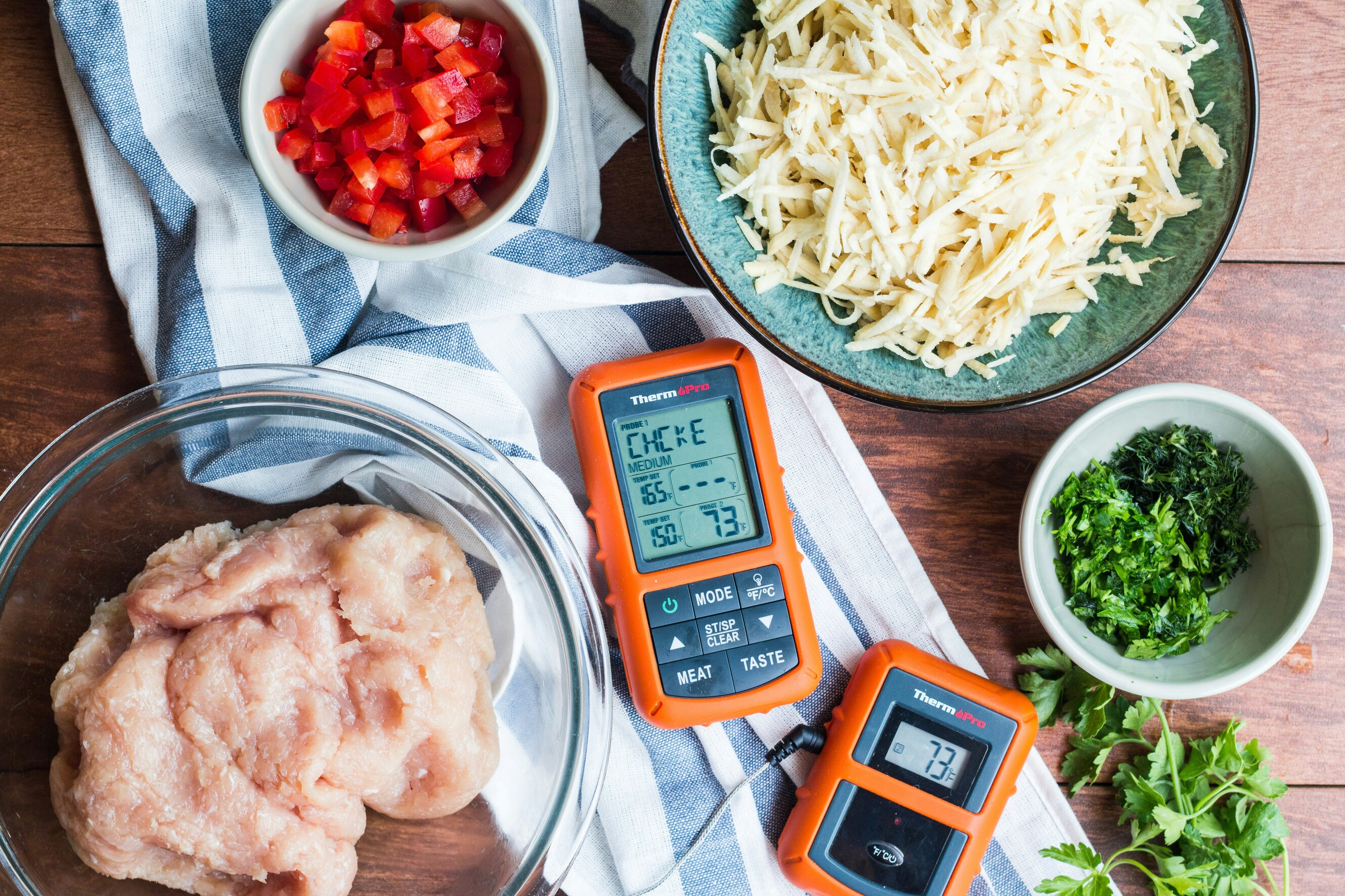
Probes measure the temperature of food itself. You push a food temperature probe into a chicken breast to check its core temp at cooking. You probe a chilled delivery to confirm it arrived below 8°C. You probe soup on the bain-marie to check it's holding above 63°C. Probes are for food, always.
Pods measure the temperature of appliances. A temperature monitoring device (a wireless pod) sits inside a fridge, walk-in, or freezer and logs the air temp at set intervals. Pods track whether your appliance stays within its safe range around the clock, even when the kitchen is closed.
You would never "probe" a fridge. You would never use a "pod" to check a chicken breast. These are two different tools for two different jobs. Together, they form a complete fridge temperature monitoring system and food temp checking regime — both required for full compliance.
Probes should be calibrated regularly. Best practice is a daily check against a known reference point, such as iced water at 0°C, or at minimum once a week. A probe that reads even 2°C off can make the difference between a safe reading and an unsafe one. Pod sensors should be tested at install and during routine maintenance. The FSA expects records for both probe calibration and pod performance to be available during an EHO inspection.

When and How to Monitor Temperatures
The regulations don't prescribe exact times for every check. But the FSA gives clear guidance on minimum frequency, and your HACCP plan should set out your own schedule.
On delivery. Check chilled goods with a probe on arrival. If the temp is above 8°C, reject the delivery or log a corrective action. Check frozen goods are at -18°C or below.
Storage, twice daily minimum. Log fridge and freezer temps at least twice a day — once at opening, once mid-shift. With automatic temperature monitoring from pods, this happens constantly without staff input.
At cooking. Probe the core of each dish to confirm it reaches 75°C. For high-risk items like poultry, log the reading with a time stamp and the name of the person who checked.
At hot hold. Check items on the bain-marie or in hot cabinets every two hours. Anything below 63°C needs to be reheated above 75°C or discarded.
At cooling. If you cool food for later service, it must reach 8°C within 90 minutes. Log the start time and the end temp.
The pattern is clear: every time food changes state — arrives, gets stored, gets cooked, gets held, gets cooled — it needs a temp check and a record. Missing one of these steps doesn't just create a gap in your paperwork. It creates a gap in your food safety that an EHO will find, and that could lead to enforcement action.
What Records Do You Need to Keep?
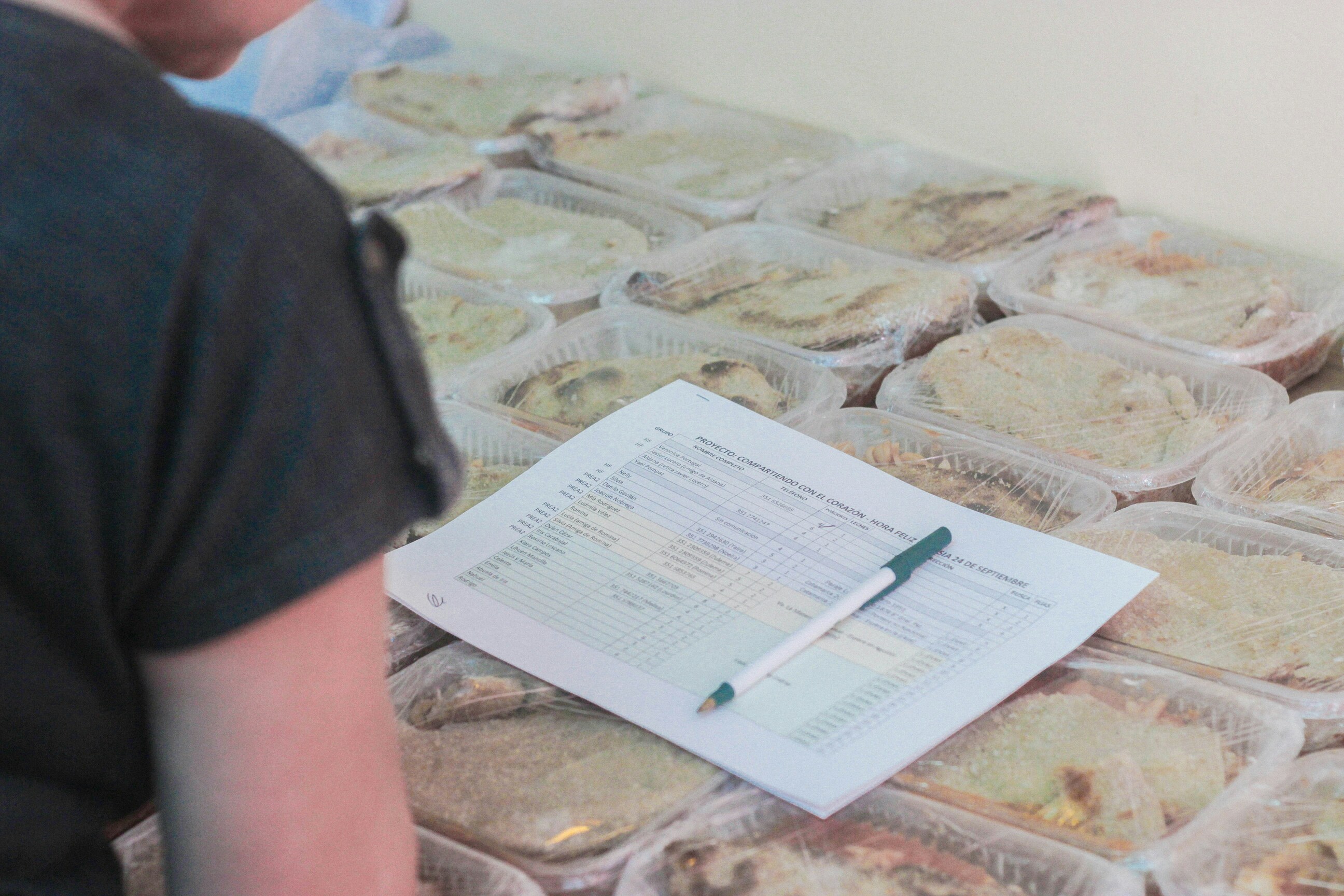
Under UK food temperature regulations, you must keep records that show your temperature controls are being followed. The EHO will expect to see:
- Temperature logs for all fridges, freezers, and walk-ins: daily at minimum.
- Probe readings for cooked foods, deliveries, and hot hold items.
- Corrective action records when a reading falls outside a safe limit.
- Probe calibration logs showing when each probe was last tested.
- Equipment service records for fridges, freezers, and monitoring devices.
The FSA recommends keeping records for at least 12 months. For due diligence purposes, best practice is three years long enough to cover any legal proceedings that may arise from an incident.
Paper records can meet the legal requirement at a single site. But they get lost, smudged, and backdated, and they're impossible to check centrally. For multi-site operators, temperature logging software that stores records in the cloud time-stamped, user-tagged, and searchable makes the difference between a smooth EHO visit and a stressful one. During a typical EHO inspection, the officer will ask to see your last three months of temperature records within the first ten minutes. How fast you produce them says a lot about how seriously you take compliance.

Common Temperature Monitoring Mistakes
Even operators who take food safety seriously make these errors. Each one puts you at risk of failing an EHO inspection.
Not calibrating probes. A probe that reads 2°C too low will tell you a dish is safe when it isn't. Calibrate at least weekly.
Logging at the wrong time. Writing down fridge temps at 10am when the check should happen at 6am makes the record unreliable. Automatic temperature monitoring removes this problem entirely.
Trusting the fridge display. The display on a fridge door shows the set point, not the actual air temp. A pod inside the unit gives you the real reading.
Writing "OK" instead of a number. Your records must show actual temperature values, not just a tick or "OK." An EHO will not accept a log that says "fridge OK" with no number.
Missing overnight alarms. A fridge that fails at midnight won't be caught by a morning paper check. By then, the stock may be unsafe. Wireless pods send alerts around the clock, even when no one is on site.
These mistakes aren't rare. We've seen operators lose EHO points for every one of them. The fix is almost always the same: move from manual to digital monitoring. Automated systems remove the chance for human error on routine checks which is where most breaches actually happen, not in big failures, but in small missed steps that stack up over time.
How Automated Temperature Monitoring Works
A modern food hygiene rating system software platform handles temperature monitoring from end to end. Here's how the technology works in a real kitchen.
Wireless pods sit inside each fridge, walk-in, and freezer. They log temp readings every few minutes and send the data to a cloud dashboard. If any unit drifts above its threshold 8°C for a fridge, -18°C for a freezer the system sends an alert to the manager on duty, even at 2am.
For food checks, staff use a digital probe linked to a tablet. The reading logs straight into food safety software with a time stamp, a user ID, and a site tag. If the reading is outside the safe range, the system prompts a corrective action and won't close until someone logs what they did.
In our experience working with multi-site operators, the shift from paper to automatic temperature monitoring cuts compliance admin time by 40 to 60%. Records are always complete, always current, and always audit-ready. That's the level of evidence that builds a strong due diligence defence and it's what EHOs look for when they score your premises.
Choosing the Right Temperature Monitoring System
If you're looking at tech to meet the regulations, here's what to check:
- Wireless sensors. Pods should connect to Wi-Fi or a gateway without cabling.
- Alert thresholds. You should be able to set custom limits per appliance.
- Cloud dashboard. Live data from every fridge, freezer, and walk-in, in one view.
- Multi-site access. Area managers need to see all locations from one login.
- HACCP integration. Temp data should feed into your wider food safety plan.
- Probe connectivity. Digital probes that log to the same platform as your pods.
- Battery life. Pod batteries should last 12 months or more.
- Calibration support. The supplier should offer probe calibration tools or services.
Don't pick a system that only covers fridges. The best setups handle both pods and probes appliance temps and food temps in one platform. That's the only way to get a full picture of your compliance.
Next Steps
The regulations are clear: you must control temps, monitor them, and keep records that prove it. The law hasn't changed, but the tools have.
Automated monitoring with pods and probes gives you 24/7 data, instant alerts, and audit-ready records that paper will never match. For any operator running more than a handful of sites, it's not just best practice it's fast becoming the expected standard across the sector.
Ready to see it in action? Visit Navitas digital food safety to see how multi-site operators manage temperature compliance from one platform, or book a free demo to see our probes and pods working together.