Risk & Foresight
FSA Consults on new Allergen Labelling Law
.jpg)
If you are a food business handling foods that are pre-packed for direct sale, then you may have heard that the requirements with regard to allergen labelling of these products will be changing from October 2021. Such foods will need to display, on its packaging or a label attached to it, the name of the food and a full list of ingredients with any of the 14 key allergens highlighted within the list.
The FSA have released draft guidance which sets out what allergen processes will be required for foods that are PPDS (pre-packed for direct sale). They are looking for feedback on the proposed Guidance. Now is the time to put your views and comments to the FSA to ensure the guidance is as practical and achievable as possible. Consultation closes on 6 March 2020.
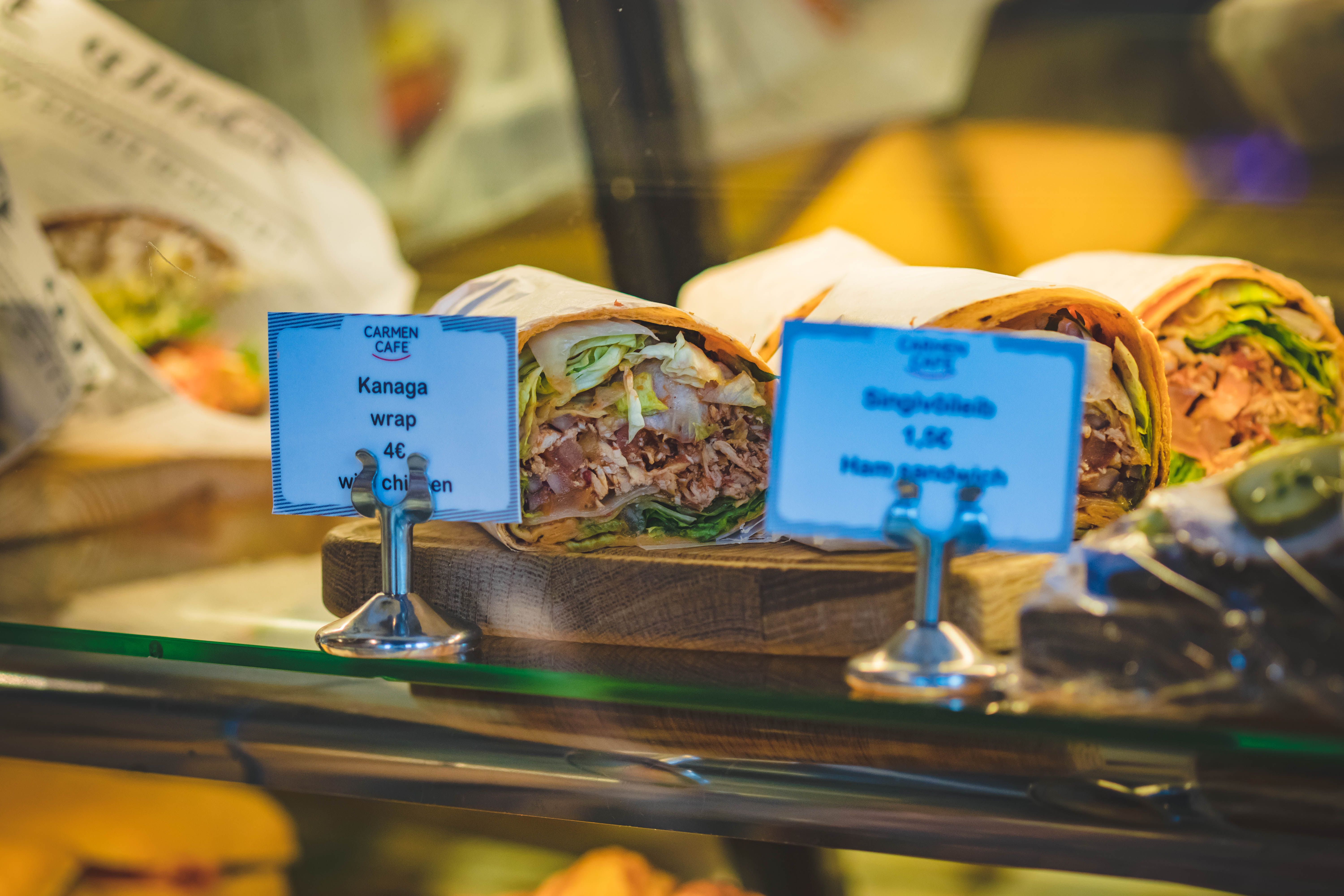
In the meantime, here’s a reminder on what foods will be defined as PPDS. Examples are given within the Draft Guidance:-
For a food to be PPDS, it must meet all of the following three criteria:
- Is the food presented to the consumer in packaging*?
- Is it packaged before the consumer selects or orders it?
- Is it packaged at the same place it is sold**?
*A single item (the food and its packaging) presented to the final consumer. The food is completely or partially enclosed and cannot be altered without opening or changing the packaging.
** Food (a) packaged by the same food business on the same site from which it is sold or (b) sold from temporary or moveable premises (such as a food truck or market stall) by the same food business that packaged it.
Products ordered over the phone or online are not affected by the changes as the food is pre-ordered, and allergy information must be available to the consumers in advance of placing their orders. Different rules apply completely to pre-packed foods sold to other businesses.

What are the 14 allergens?
The 14 allergens that must be labelled or indicated as being present in foods are:
- Cereals containing gluten, namely: wheat (such as spelt and khorasan wheat), rye, barley, oats
- Crustaceans for example prawns, crabs, lobster, crayfish
- Eggs
- Fish
- Peanuts
- Soybeans
- Milk (including lactose)
- Nuts; namely almonds, hazelnuts, walnuts, cashews, pecan nuts, Brazil nuts, pistachio nuts, macadamia (or Queensland) nuts
- Celery (including celeriac)
- Mustard
- Sesame
- Sulphur dioxide/sulphites, where added and at a level above 10mg/kg or 10mg/L in the finished product. This can be used as a preservative in dried fruit
- Lupin, which includes lupin seeds and flour and can be found in types of bread, pastries and pasta
- Molluscs like, mussels, whelks, oysters, snails and squid
If you require any further advice on these legal changes or our digital labelling solutions please do get in touch!