Incident Learning
Incident Reporting Software Hospitality: From Paper to Digital in 7 Days
Most hospitality kitchens still use a paper accident book. Here is why that costs you, your RIDDOR duties explained, and a 7-day plan to switch to digital incident reporting.
Most UK hospitality kitchens still run their incident reporting out of a paper accident book on a shelf by the back door. By the time an incident reaches head office, it is a week old. A page is often missing. The details are vague. Incident reporting software hospitality operators now use fixes that inside seven days. It meets your RIDDOR duties. It catches near-misses before they become incidents. It gives head office live sight of every site. This guide sets out why incident reporting matters more than most teams think, your legal duties under RIDDOR, the hidden value of near-miss reporting, what good looks like, how paper compares to digital, and a seven-day plan to switch. As of April 2026, this is one of the fastest rollouts in UK hospitality compliance. It is also the easiest to justify at board level.
Why Incident Reporting Matters More Than You Think
Incident reporting used to be a legal duty that sat in a dusty file. In 2026, it is a core data stream. Every unreported near-miss is a missed chance to stop the next real incident. Every thin accident report is a weakness in your insurance defence. Every missed RIDDOR entry is an HSE risk the business did not need to take.
The HSE does prosecute for failure to report under RIDDOR. Fines in recent years have passed £100,000 for single breaches. Sentencing guidelines scale the fine to business turnover. Insurance underwriters now ask for incident data at renewal. A patchy record often prices a 10-25% uplift into the premium. Incident reporting software hospitality teams run well turns that renewal into a strength rather than a sore spot.
Employment tribunals ask for proof too. A slip, trip, or burn injury that reaches tribunal without a full incident record leaves the employer on the back foot. Good incident reporting software hospitality operators rely on removes that risk, because every report carries a time stamp, photo, and named reporter by default.

Your Legal Obligations: RIDDOR Explained
Under the Reporting of Injuries, Diseases and Dangerous Occurrences Regulations 2013 (RIDDOR), the following incidents must be reported to the HSE: fatal accidents (at once), major injuries such as fractures, amputations, and serious burns (within 10 days), over-7-day injuries (within 15 days), diseases at work (when diagnosed in writing), dangerous occurrences (within 10 days), and gas incidents (within 14 days).
RIDDOR applies to every UK employer, including hospitality. The duty falls on the "responsible person" — usually the employer, though in some self-employed cases it shifts. Reports go to the HSE online through the RIDDOR reporting portal, or by phone for fatal and major incidents.
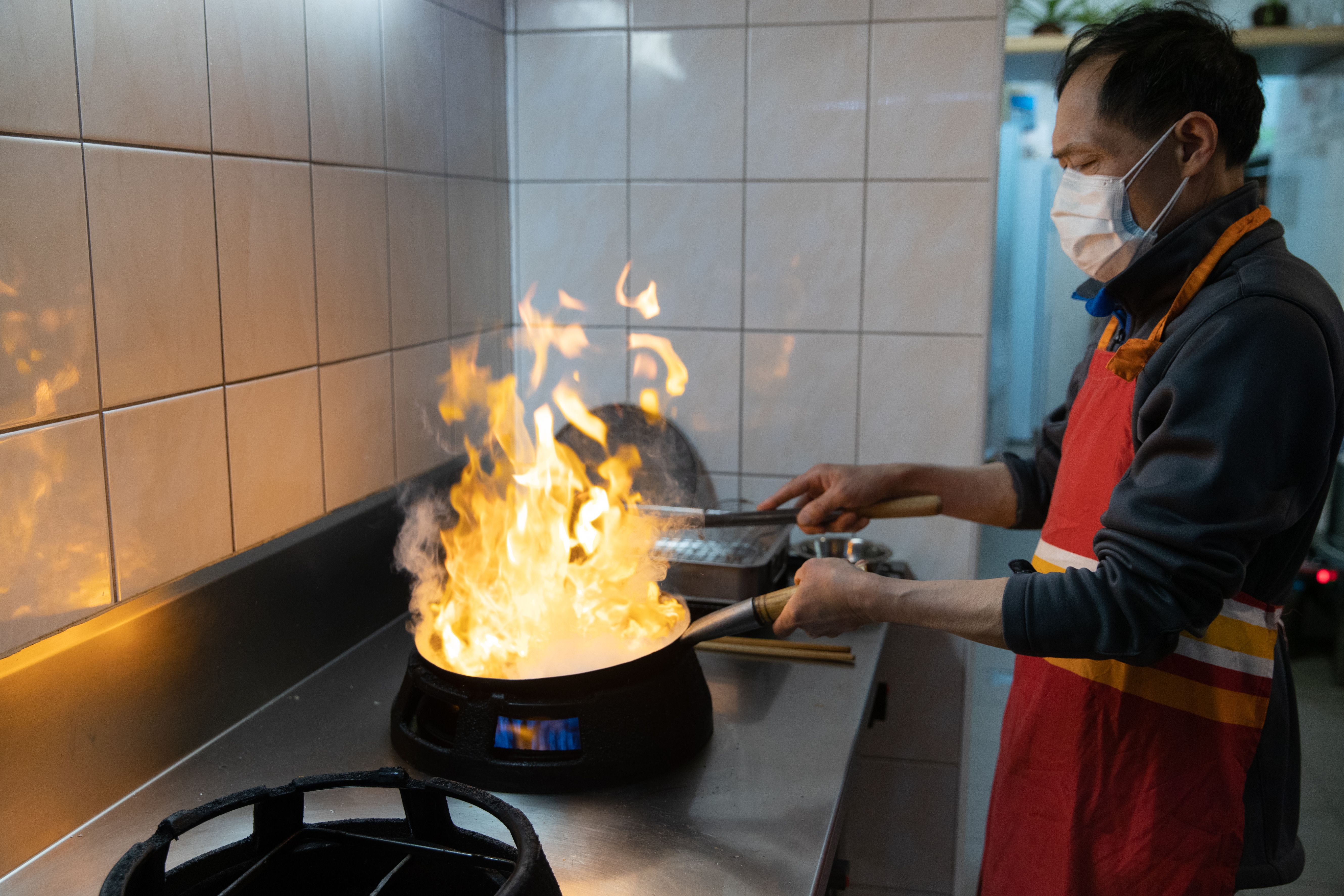
In hospitality, the commonly reportable incidents are burns from hot fat or combi ovens, deep cuts from knives or mandolins, slips and trips leading to fractures, manual handling injuries causing more than seven days off work, and gas leaks or near-miss blasts. Accident reporting in restaurants often trips on the 7-day rule. Any work-related injury that keeps a staff member off work for more than seven days in a row is reportable, even if the injury looked minor at first. Some incidents are NOT reportable — minor cuts, small burns that do not stop work, and simple sprains. The line between reportable and non-reportable is the type of injury and the days lost.
RIDDOR reporting hospitality teams often find the 7-day threshold the trickiest part. Incident reporting software hospitality groups now use flags it on its own, so nothing slips past the deadline.
The Hidden Value of Near-Miss Reporting
Most actual incidents are preceded by a run of near-misses. A chef who nearly slips on a wet floor, a porter who nearly drops a hot pan, a server who nearly gives a guest the wrong allergen plate. Each near-miss is a free warning. A culture of near miss reporting food safety teams take seriously catches these signals before they cause harm.
In our experience, kitchens that report near-misses well see 40% fewer real incidents within six months. The maths is not magic — it is cause and effect. Root cause work on a near-miss is cheaper, faster, and less charged than root cause work on an injury. The fixes go in while the stakes are still low.
The problem with paper is that near-misses are almost never logged. The accident book is "for accidents." Near-misses feel too minor to write up at 10pm on a Saturday when service is winding down. Incident reporting software hospitality operators roll out makes near-miss reporting a 30-second tablet task, and reporting rates jump fast.
In our experience, 70% of hospitality operators underreport incidents — not on purpose, but because their system makes it too hard. Take the friction out and the data shows up. Incident reporting software hospitality groups trust is the friction-removal tool.

What Effective Incident Reporting Looks Like
A good incident report covers nine things. What happened, when, where, who was involved, what caused it, what was done at the time, root cause work, corrective actions, and follow-up date. Photos make the record stronger. Witness notes make it stronger still.
The format matters less than the habit. What matters is that every incident, however small, goes through the same template. A near-miss and a fracture get the same fields, just at different depths. Patterns show up across time only when the data is steady.
Root cause work separates strong incident reporting from weak. A report that stops at "staff member slipped on wet floor" is a surface note. A report that traces back to "cleaning contractor did not place wet-floor sign because the sign was missing from the site for three days" is useful data. The fix is a sign restock routine, not a reminder to be careful.
Follow-up is the last piece. Every corrective action needs a named owner, a date, and a sign-off. Good risk assessment software turns that follow-up into a standing workflow, rather than an email thread that dies after two replies. Incident reporting software hospitality teams run at scale builds the follow-up into the same record as the incident itself.

Paper Accident Books vs Incident Reporting Software Hospitality Operators Trust
Paper accident books share the same failure modes everywhere. Pages go missing. Handwriting is unreadable. Near-misses are not logged because the book is "for accidents." Head office finds out days late, or not at all. Multi-site trending is out of reach, because the data lives in 20 different books.
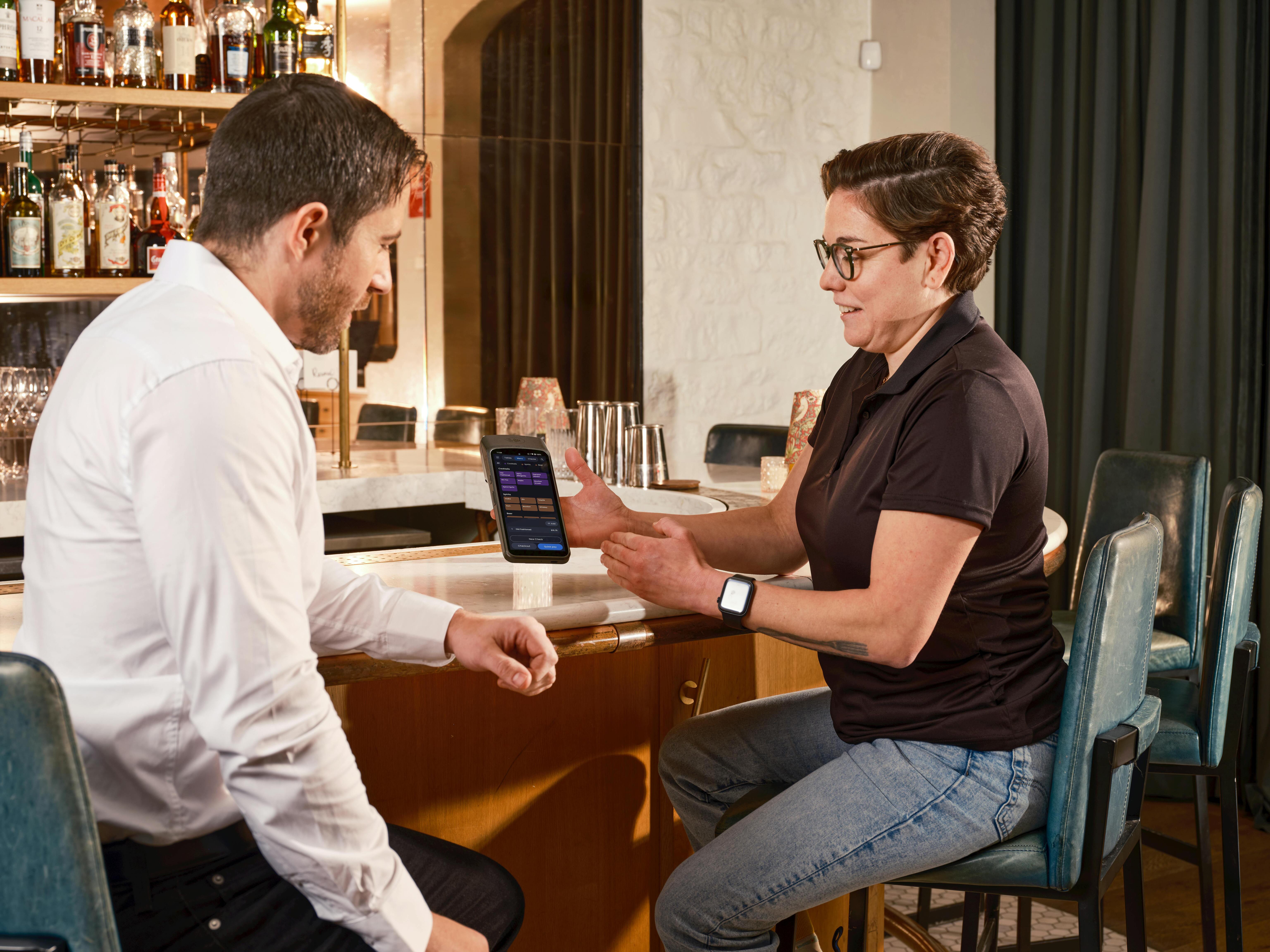
Incident reporting software hospitality operators now run fixes each of these at once. Reports are logged on a tablet or phone at the point of incident. Photos attach directly. Time stamps are automatic. Alerts go to the shift manager, area manager, and head office in real time. Multi-site dashboards show patterns across the estate on one screen.
Three wins stand out. First, RIDDOR-reportable incidents are flagged on their own, so nothing misses the HSE deadline. Second, near-miss reporting rates rise 3-5x in the first quarter after go-live, because the friction drops from five minutes to 30 seconds. Third, the whole data set is audit-ready for insurance renewal, employment tribunals, and HSE visits.
Hospitality incident management at scale is a data problem as much as a safety problem. A good incident management software platform links with training records, risk assessments, and audits. The picture is joined up rather than scattered across four systems.

Implementing Digital Incident Reporting in 7 Days
A seven-day rollout sounds ambitious. It is the realistic timeline when the tools are ready and the sponsor is aligned. Most hospitality groups complete this work inside a single week, with the parallel run on day 6.
Day 1-2: Pick the platform and set up incident categories. Agree the categories you need: injury, near-miss, food safety incident, gear failure, security, RIDDOR-reportable. Set up severity ratings. Decide who gets alerted on each type.
Day 3-4: Set up alert workflows and escalation rules. Who is alerted when a report lands? Shift manager first, area manager next, head office on RIDDOR-level events. Set escalation timers — a report not seen within an hour jumps a level.
Day 5: Train staff. A 15-minute mobile walkthrough per team. Show the fields, the photo upload, and the submit button. Stress that near-miss reporting is wanted, not punished. Log training sign-off for the audit trail.
Day 6: Run in parallel with paper. For one day, staff log in both systems. The shift manager checks the digital log at end of service against the paper book. Any gaps get closed at once. This parallel run catches training gaps before they cause data gaps.
Day 7: Go live. Paper book goes into the drawer as a backup. The digital system is the main record from this morning on. Flag the first report of the day, however small.
A good safety training module covers incident reporting as part of standard staff onboarding, so new starters inherit the habit rather than learning it by osmosis. Incident reporting software hospitality teams introduce well in seven days can take years off the time it would take to build the same culture on paper.

Frequently Asked Questions
What incidents must be reported under RIDDOR in hospitality?
Under RIDDOR 2013, hospitality employers must report: fatal accidents, major injuries (fractures, amputations, serious burns, crush injuries, scalping, eye injuries), injuries that keep a staff member off work for more than seven days, diseases at work (such as severe dermatitis from cleaning chemicals), dangerous occurrences (gas leaks, collapses), and gas-related incidents. Report fatal and major incidents at once via the HSE phone line. Report the rest online within 10 or 15 days depending on type.
How long do you have to report an accident at work?
Under RIDDOR, fatal and major injuries must be reported at once and confirmed within 10 days. Over-7-day injuries must be reported within 15 days of the event. Dangerous occurrences have a 10-day window. Diseases at work must be reported as soon as the employer is told in writing by a doctor. Missing these timelines is itself a breach of the rules, and the HSE has prosecuted employers for late reporting even when the incident was handled well.
What is the penalty for not reporting a RIDDOR incident?
The HSE can prosecute employers who fail to report a RIDDOR-reportable incident. Fines are unlimited under current sentencing guidelines and scale with business turnover. Recent cases have landed fines from £10,000 for single breaches up to six figures where the failure was part of a wider pattern. Senior managers can also be prosecuted under section 37 of the Health and Safety at Work Act 1974.
What is the difference between an incident, an accident, and a near-miss?
An accident is an unplanned event that causes injury or damage. An incident is a broader term that covers accidents, dangerous events, and events that could have caused harm. A near-miss is an event that could have caused harm but did not — the chef who nearly slipped, the delivery that nearly fell. All three should be recorded. Near-miss data is the lead indicator; accident data is the lag indicator.
Next Steps
Incident reporting software hospitality operators introduce well in a single week becomes a business-critical data source by the end of the month. RIDDOR compliance stops being a worry. Near-miss rates rise and actual incidents fall. Insurance renewals get easier. Employment tribunal defence gets stronger.
Start with the 7-day plan. Configure the categories. Train the teams. Go live on day 7. Then use the data — review it monthly, trend it quarterly, and feed the findings back into risk assessments and training.
For site-specific advice, always consult a qualified health and safety professional. The HSE RIDDOR guidance is the definitive public reference for reportable incidents and timeframes.
Ready to move from paper to digital? Book a free Navitas demo to see incident reporting software hospitality groups run across every site. Or explore our multi-site solutions built for group-level rollouts.