Operational Execution
The Importance of Safety & Compliance in Quick Service Restaurants (QSRs)
Explore why safety and compliance are critical for Quick Service Restaurants covering HACCP frameworks, global operational challenges, allergen management, and how strong systems protect brand trust and reputation.
.jpg)
In the high-pressure environment of food service, few sectors face more daily demands than Quick Service Restaurants (QSRs). With high footfall, quick turnarounds, and growing international footprints, QSRs must ensure robust safety and compliance systems are in place—not just to protect public health, but also to support long-term success and brand reputation.
Why Safety & Compliance Matter
Establishing simple yet effective safety and compliance standards is essential to the health, safety, and welfare of both employees and customers. These standards create a core framework that helps assess, benchmark, and deliver a consistently safe operation across locations and markets.
A solid compliance framework allows QSR brands to:
- Communicate expectations clearly to stakeholders
- Replicate standards across franchise models
- Train teams consistently
- Adjust dynamically following incidents or legal changes
Crucially, the more accessible and easy to implement the framework is, the more likely it is to be adopted and executed successfully at every level of the business. This strengthens not only operational safety but also brand integrity.

Key Challenges in Global QSR Operations
Operating across multiple countries introduces several safety and compliance hurdles:
- Adapting to local laws and regulations
- Sourcing a single partner with global reach
- Communicating incident learnings and updating SOPs quickly
- Creating a unified safety culture across diverse teams
At Navitas Safety, we help global QSR brands navigate these challenges through a consultative, end-to-end approach, underpinned by over 35 years of industry expertise.

The Power of an End-to-End Safety Strategy
While safety should be simple, QSR environments are complex. That’s why we recommend a comprehensive strategy that connects all operational elements—from training and audit to reporting and review. This ensures that safety doesn’t slip during busy periods or when introducing new processes or markets.
We help QSRs build frameworks that exceed legal minimums and maintain a consistent baseline of safety, even when operations are stretched.

Food Safety & Hygiene: The Heart of QSR Safety
Regardless of geography, food safety remains non-negotiable. Most countries require a Food Safety Management System (FSMS) based on HACCP (Hazard Analysis and Critical Control Points) principles. Navitas supports brands in creating either a centralised FSMS with global application, or adaptable versions tailored to local legislation.
A strong FSMS includes:
- HACCP plans
- SOPs (Standard Operating Procedures)
- HACCP prerequisites like pest control, cleaning, equipment standards, and supplier traceability
Your HACCP plan must address all key hazards—microbiological, physical, chemical, and allergenic—at every stage of food preparation. It’s not just about identifying risks, but also about having clear corrective actions in place when things go wrong.

Real-World Example: Retaining at the end of day/service
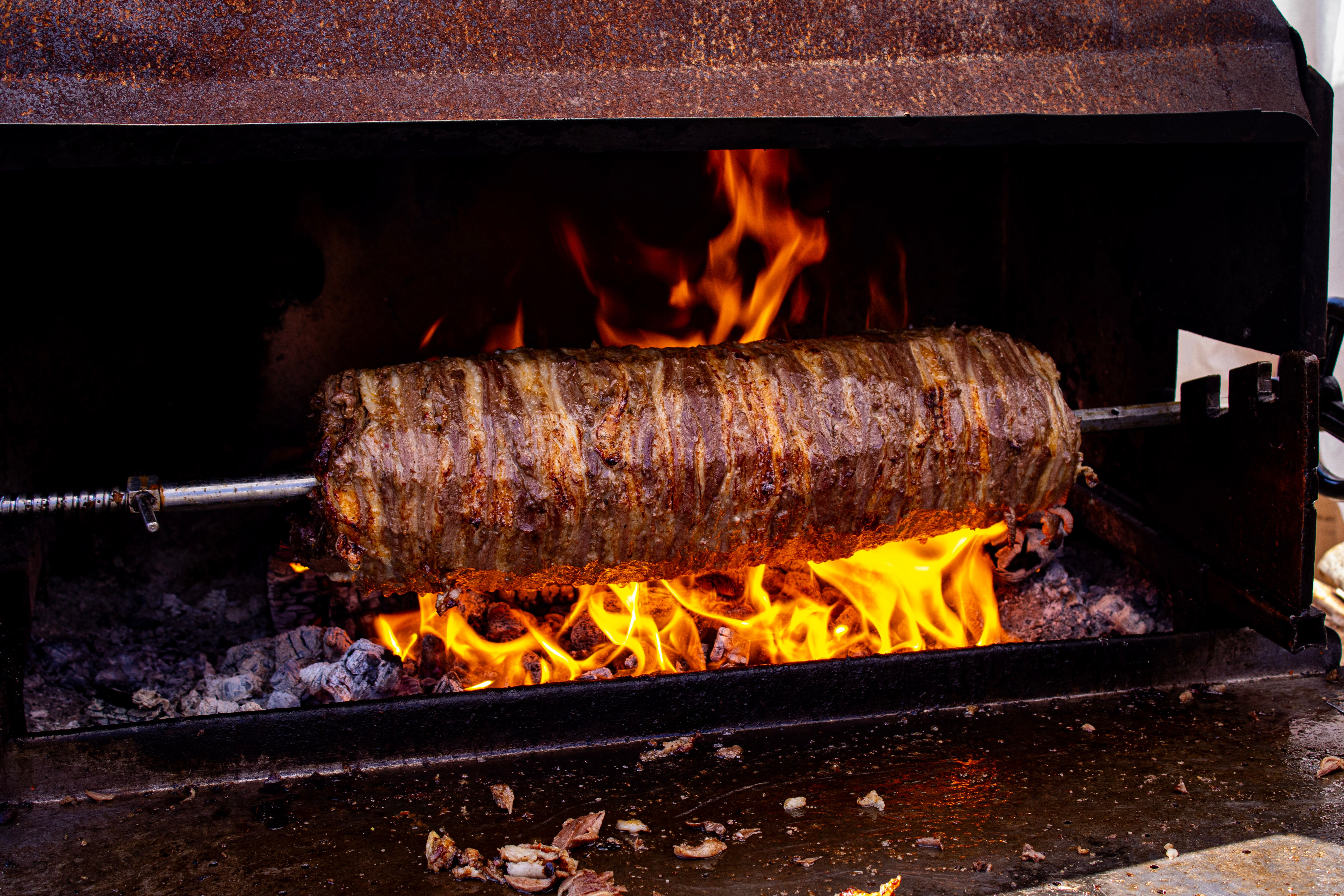
One area where we see high risk is the cooling and reheating of meats, such as doner or chicken; common QSR menu item.
Legal obligations require businesses to document controls around cooling, storing, and reheating. However, improper cooling is one of the top 10 causes of foodborne illness in the UK.
Common risks include:
- Meat left on the grill overnight
- Inadequate time for cooling before staff finish their shift
- No blast chiller to manage cooling times
- Cross-contamination due to limited storage
- Reheating more than once
Due to these hazards, many local authorities recommend against retaining doner meat at all. From a safety and brand protection standpoint, Navitas advises eliminating this risk entirely wherever possible and can work with you to develop and implement sustainable and practical safety solutions for your QSR Brand.
Going Beyond the Basics: HACCP Prerequisites
HACCP prerequisites are the foundational activities that support food safety and hygiene, such as:
- Facilities maintenance (e.g., Planned Preventative Maintenance)
- Waste and pest management
- Labelling and product traceability
- Training and ongoing competence of staff
At Navitas, we tailor SOPs to your brand through in-depth discussions, gap analysis, and even location immersion days. We ensure your policies reflect what actually happens on-site, helping you meet both compliance standards and customer expectations.

Allergen Management
Allergen controls remain one of the most changeable and challenging parts of food safety law. That’s why we often recommend separating allergen procedures into a standalone policy or SOP for easier version control and training.
From menu management and supplier controls to point-of-sale and aggregator platforms, allergen risk must be managed end-to-end. If your brand uses precautionary statements like “may contain,” an allergen risk assessment is also required.

Protecting Your Brand, Building Trust
Effective safety management isn’t just about avoiding incidents—it’s about building a brand that customers trust and staff are proud to work for.
By simplifying compliance and focusing on consistency, QSR brands can achieve:
- Safer, more efficient operations
- Higher staff engagement
- Fewer customer complaints
- A stronger reputation in competitive markets
At Navitas Safety, we understand that no two QSRs are alike. That’s why we offer custom-built safety solutions that combine our expertise with your brand’s unique needs.

Need help building or refining your QSR safety framework?
Get in touch with Navitas Safety today and discover how we can help you scale safely and efficiently—across borders, teams, and service models.