
Operational Execution
Smart Stadium Technology: Enhancing Fan Experience & Ensuring Compliance
Discover how smart stadium technology is transforming fan experience and compliance from biometric entry and IoT connected kitchens to automated HACCP monitoring, staff training, and sustainability reporting.
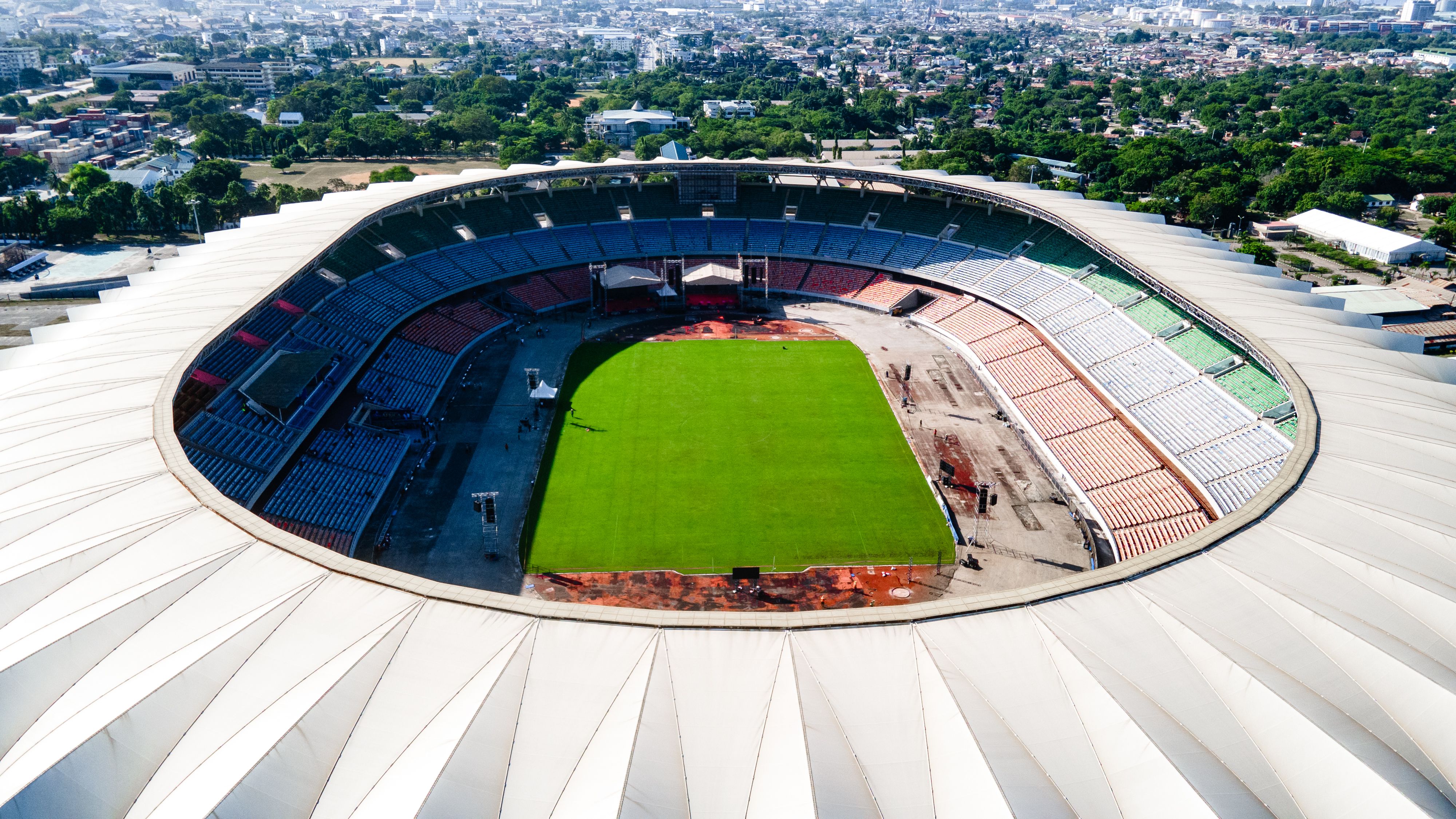
Welcome to the Smart Stadium Era
The modern stadium is no longer just concrete and seats, it’s a connected ecosystem. From the moment fans scan their ticket to the last pint poured, data is powering every part of the experience.
Global investment in smart stadium technology is soaring. Valued at $23 billion in 2026, the market is projected to reach $38 billion by 2033. Venues that once focused solely on capacity now focus on connectivity, sustainability, and compliance because the modern fan expects all three.
And the best part? The same technologies enhancing fan engagement can also automate compliance and food safety behind the scenes

From Entry Gate to Exit Gate: Technology in Action
1. Seamless Access Control
Biometric ticketing and mobile QR entry are replacing paper passes. A recent industry poll found that 33 % of fans prefer facial recognition for entry due to speed and security wicketsoft.com.
These systems not only improve guest experience but also create accurate headcounts for safety compliance, vital under Martyn’s Law.
2. Smarter Catering Operations
Behind the scenes, IoT-connected kitchen equipment records temperatures and hygiene data automatically.
Instead of chasing missing checklists, managers see live HACCP compliance in real time, outlet by outlet.
This prevents stock loss, reduces waste, and ensures readiness for Environmental Health Officer (EHO) inspections – no panic, no paperwork.
3. Crowd & Energy Management
AI-powered crowd analytics can detect density hotspots and trigger proactive stewarding, while intelligent HVAC systems adjust airflow based on occupancy.
The result? Improved comfort, reduced risk, and lower carbon emissions.
Australian stadiums using integrated digital platforms reported an increase in per-fan food & beverage spend from $17 to $30 after implementing contactless and mobile ordering, proof that convenience pays.
Compliance: The Hidden ROI of Smart Tech
While smart tech often makes headlines for fan engagement, its biggest long-term gain might be compliance efficiency.
By digitising these pillars, stadiums not only reduce administrative hours but also lower the risk of human error, turning compliance into a competitive advantage.

The Sustainability Advantage
Fans and sponsors are paying attention to environmental responsibility.
Many leading venues, from Tottenham Hotspur Stadium to Allegiant Stadium, are adopting smart waste management and energy tracking systems to prove sustainability credentials.
Examples include:
- Smart bins that track fill levels and optimise collection routes.
- Water reclamation systems for pitch maintenance.
- Energy dashboards that monitor LED lighting, refrigeration, and HVAC performance.
Smart compliance extends naturally into sustainability reporting. The same dashboards that log HACCP checks can also display energy and waste metrics for ESG audits.
Overcoming Implementation Barriers
The idea of transforming into a ‘smart stadium’ can feel daunting. But success comes from small, measurable steps.
Start with these three phases:
- Digitise the Essentials
Begin with digital checklists for food safety, training, and maintenance. - Integrate Systems
Link sensors, ticketing, and POS systems into a central operations dashboard. - Optimise Continuously
Use analytics to refine staffing, energy use, and fan experience over time.
Most importantly, involve every department early. Catering, facilities, IT, and security must work together.
Smart tech isn’t just an upgrade; it’s a shift towards connected thinking.

Case Study: From Fragmented to Future-Ready
A UK stadium group managing multiple venues recently implemented digital food safety and smart monitoring through Navitas.
Within six months, they achieved:
- 70 % reduction in audit prep time
- 90 % fewer compliance breaches
- Significant energy savings through automated equipment alerts
The transformation didn’t just improve compliance, it created a culture of shared accountability and data-driven decision-making.
Conclusion: Smarter, Safer, and More Sustainable
Fans expect more, and regulators do too.
Smart stadium technology delivers both: unforgettable experiences for visitors and total visibility for operators.
By integrating compliance, sustainability, and guest experience into one digital ecosystem, venues can future-proof their operations and reputation.